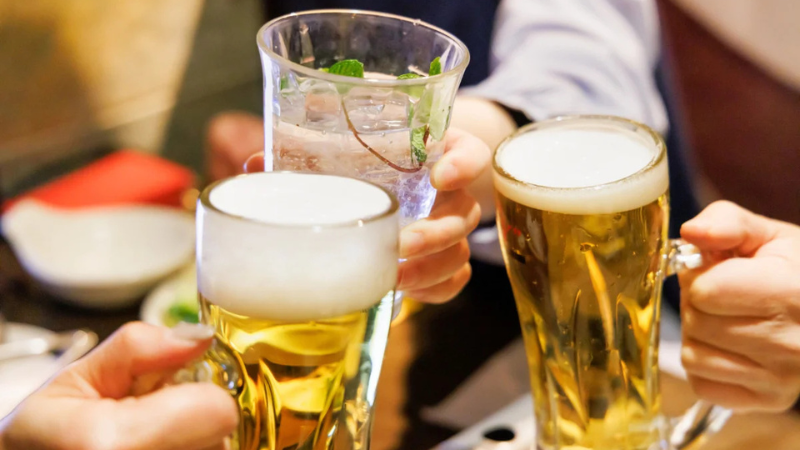
For HR professionals managing diverse teams or planning events in Japan, understanding the drinking party,”Nomikai” is essential for fostering organizational harmony. These gatherings are more than just social events; they are strategic opportunities for bonding between employees who may not interact during daily operations.
When executed correctly, a “Nomikai“ acts as a powerful tool for employee engagement and team cohesion. This guide covers essential etiquette and high-impact activities to ensure your next team dinner is a professional success.
⇒Download our comprehensive guide.
1. The Professional Framework: Essential Dining Etiquette
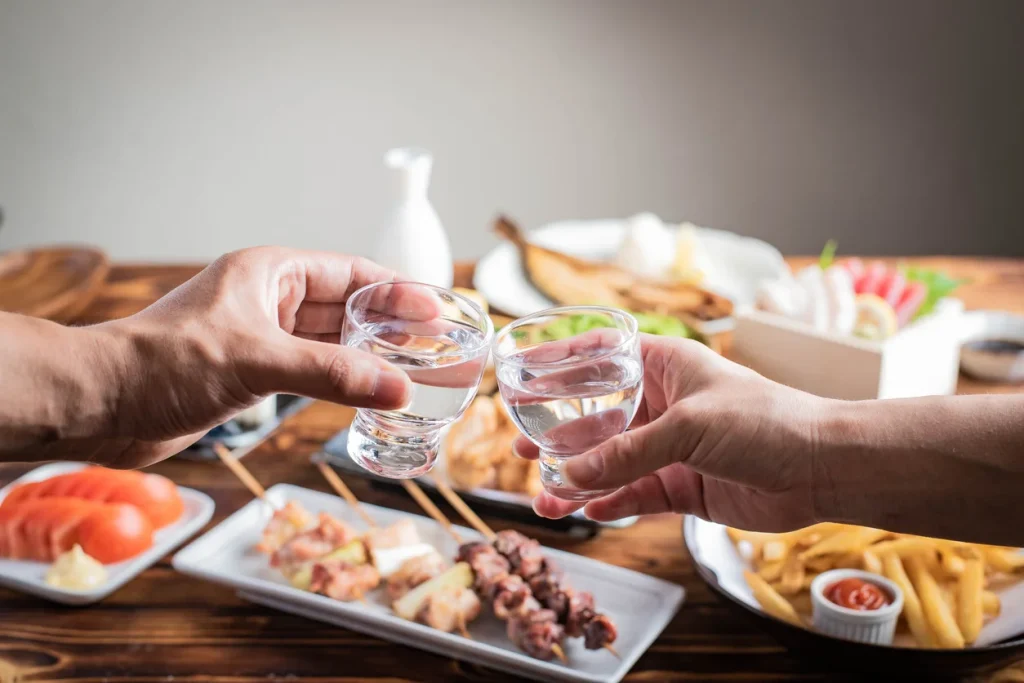
In Japanese business culture, the impression an employee makes begins before the first drink is served. Adhering to proper protocol ensures a professional atmosphere and fosters mutual respect.
Punctuality and Arrival
A Sign of Reliability: Arriving on time is a core business expectation. Lateness can negatively impact an individual’s professional reliability.
Entry Etiquette: Remove coats and scarves before entering the venue to maintain decorum and respect for the dining space.
Mastering the Seating Chart
Understanding the hierarchy of the table is crucial for maintaining professional respect:
Upper Seat, “Kamiza” : The seat furthest from the entrance, reserved for the highest-ranking individuals.
Lower Seat, “Shimoza”: The seat closest to the entrance, typically occupied by junior staff who manage orders and facilitate the flow of the evening.
Table Manners and the “Bureiko” Concept
While superiors may call for “Bureiko” (a rank-free, relaxed environment), HR should advise employees to maintain professional boundaries.
The Pouring Custom: When pouring or receiving drinks, use both hands to show respect.
The Toast Rule: During a toast, junior employees often ensure the rim of their glass is lower than that of their superior.
Inclusivity for Non-Drinkers: Respecting those who do not consume alcohol is vital. Modern gatherings prioritize choice, and non-drinkers should feel supported to maintain an inclusive environment.
2. Elevating the Experience: Recommended Interactive Events
To transform a standard dinner into a high-ROI team-building event, consider incorporating structured activities. Here are two impactful options:
The Tuna Carving Spectacle
A professional sushi chef performs a live demonstration by expertly dismantling a massive tuna—often exceeding 40kg—directly before your guests as the centerpiece of a fresh sushi party. This high-impact visual experience creates a collective “Wow!” moment that effectively dissolves social barriers and sparks natural conversation among colleagues.
The Sensory Ranking Battle
In this blind-testing challenge, teams collaborate to distinguish between high-end luxury goods and everyday products, such as fine wines or premium chocolates, using only their collective senses. This interactive exercise requires teams to share observations and reach a consensus, fostering effective communication and psychological safety through shared decision-making.
3. The Next-Day Custom: Reinforcing the Bond
In Japanese culture, the follow-up is as significant as the event itself.
Immediate Thanks: If the company or a superior hosted the meal, employees should express gratitude at the venue.
Professional Follow-up: A brief thank-you email the following morning strengthens positive professional relationships and demonstrates thoughtfulness..
Ready to Sync Your Team in Japan?
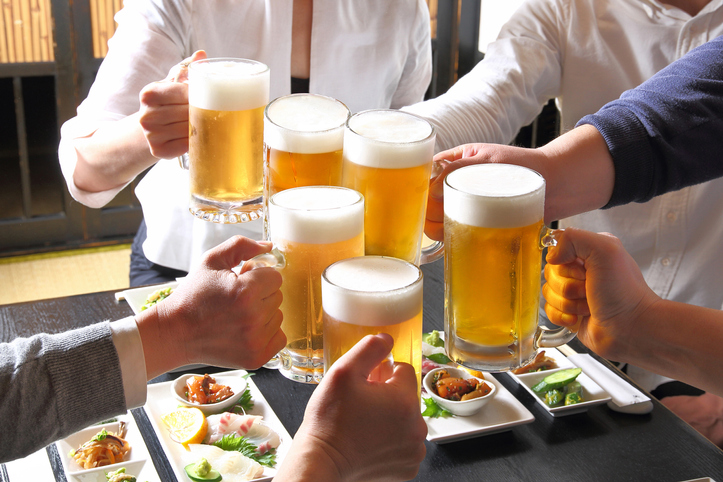
Whether you are hosting a formal dinner or a high-energy samurai strategy session, the goal remains the same: to understand each other better. IKUSA supports over 1,000 events annually, providing everything from English-speaking MCs to seamless venue coordination for startups and global corporations alike.
Looking for a unique, inclusive team-building idea in Japan? Contact us today to plan your event
⇒Download our comprehensive guide.