Introduction: Why Regional Events are the “Secret Sauce” for Engagement in Japan
In recent years, Japan has seen a surge in “Regional Events” designed for community revitalization and “Local Creation”. These are not just festivals; they are strategic platforms that leverage local history, nature, and industry to build sustainable relationships with both locals and visitors.
For event planners and organizations looking to create high-ROI experiences in Japan, these 20 examples offer a masterclass in “Edutainment”—the perfect blend of education and entertainment. Whether you are looking for a unique incentive trip or a deep-dive cultural workshop, these regional success stories prove that the most impactful ideas often come from the heart of local communities.
⇒Download our comprehensive guide.
20 Unique Regional Events Across Japan
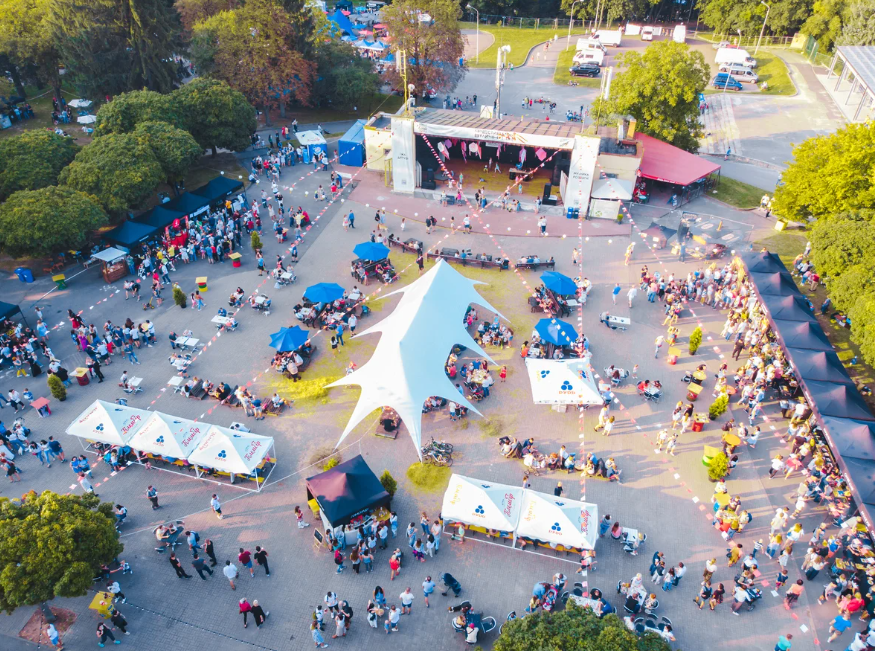
1. Shimokawa Ice Candle Museum (Hokkaido)
Born in the birthplace of Japanese ice candles, this event transforms the entire town into a dreamlike landscape. By encouraging residents to display candles at their own homes, the event fosters massive community involvement.
Location: Shimokawa Town, Kamikawa District, Hokkaido
Season: February
2. Tsugaru Dialect Contest for Foreign Youth (Aomori)
This event leverages the town’s sister-city relationship to promote international exchange. Foreign residents share their experiences of Japanese culture using the difficult-to-master local dialect, creating a unique and humorous “bridge” between cultures.
Location: Tsuruta Town, Kitatsugaru District, Aomori
Season: July
3. Exploring the “Phantom” Shinden-zaka Path (Fukushima)
A walking tour organized by local volunteers that revisits a historically steep mountain pass. It turns a “mundane” local spot into an event by weaving in narratives of the Edo period and the Boshin War.
Location: Iwaki City, Fukushima
Season: November
4. Slipper Exhibition: Revitalizing Local Industry (Saitama)
Gyoda City, once Japan’s top slipper producer, uses fashion collaborations to boost the profile of its local industry. By partnering with designers, they’ve successfully attracted attention even from international markets.
Location: Gyoda City, Saitama
Season: July to September
5. Ome-shuku Art Festival (Tokyo)
This festival turns a historic post-station town into a stage for local artists and international performers. It includes gamified elements like photo rallies in “Showa-retro” spots to engage tourists and locals alike.
Location: Ome City, Tokyo
Season: November
6. Teruhime Festival: Historical Spectacle (Tokyo)
Centering on the legend of Princess Teruhime, this event features a parade of 100 residents in period costumes.
Pro Tip: This event incorporates the Samurai Battle (Chanbara) activity to drive engagement among younger generations.
Location: Nerima City, Tokyo
Season: April or May
7. Takasuna Greenery Coffee Festival (Kanagawa)
Rather than a “one-off” spectacle, this event celebrates “daily life”. It connects local shops and encourages visitors to explore the town with a coffee and a book in hand.
Location: Chigasaki City, Kanagawa
Season: May
8. Ice Triathlon Koumi (Nagano)
Using the extreme cold (down to -15°C), this triathlon features slalom skiing, running, and skating. It lowers entry barriers by offering “helper” systems for relay teams and careful accommodation support.
Location: Koumi Town, Minamisaku District, Nagano
Season: January to February
9. SATOYAMA RUN in Hida Takayama (Gifu)
A marathon designed to let participants experience the beauty of the “Satoyama” (managed natural landscapes). The pre-festival event allows runners to interact directly with local residents over regional food.
Location: Takayama City, Gifu
Season: September
10. Toyama Gamers Day (Toyama)
What started as a small grassroots gaming community has grown into a major eSports event sponsored by local corporations. It is a vital platform for engaging the younger generation in regional cities.
Location: Takaoka City, Toyama
Season: Irregular
11. Komakiyama Sakura Festival (Aichi)
Held at the site of Oda Nobunaga’s first castle, this festival uses its historical significance as a backdrop for interactive activities.
Global Friendly: Features Samurai Battle reenactments, allowing participants to learn history through action.
Location: Komaki City, Aichi
Season: Late March to Early April
12. All Japan Aito 4-Hour Endurance Tricycle Race (Shiga)
Teams of three compete in a grueling 4-hour race on tricycles. Its high-impact, quirky visual nature draws large crowds and serves as a powerful community bonding tool.
Location: Higashiomi City, Shiga
Season: October
13. Inobuta Derby (Wakayama)
This event features “racing pigs” (boar-pig hybrids) on a 100m track. It includes “betting tickets” for prizes like local plum products, cleverly integrating regional specialties into the entertainment.
Location: Susami Town, Nishimuro District, Wakayama
Season: May
14. Higashiosaka Curry Bread Project (Osaka)
The city branded “Curry Bread” as its local food because of the historical presence of curry factories and the bread’s resemblance to a rugby ball (the city is a “Rugby Town”).
Location: Higashiosaka City, Osaka
Season: 8th of every month
15. Samurai Treasure Hunt in Mt. Daisen (Tottori)
A gamified exploration event where participants solve riddles to find “treasure” hidden in local spots.
Why it works: It forces visitors to explore areas they would normally overlook, deepening their connection to the region.
Location: Daisen Town, Saihaku District, Tottori
Season: July
16. Town-Play “The Game of Life” (Shimane)
Participants walk through a real shopping district as if it were a board game, interacting with shopkeepers and discovering the “hidden gems” of the community.
Location: Izumo City, Shimane
Season: Ongoing
17. Sunset Platform Concert (Ehime)
A concert held on the platform of Shimonada Station—once the station closest to the sea in Japan. The stunning sunset backdrop creates a shared “Wow!” moment that transcends language.
Location: Iyo City, Ehime
Season: First Saturday of September
18. Higanzu Meguri & Basara Festival (Fukuoka)
This festival celebrates the contrast between golden rice terraces and red spider lilies. It links the event to a “Terrace Owner” system, encouraging long-term environmental conservation.
Location: Ukiha City, Fukuoka
Season: September
19. International Mountain Stream Climbing (Saga)
A non-competitive event where participants walk and swim 1.5km up a river. It provides a rare opportunity to physically experience a natural landscape that is usually off-limits.
Location: Karatsu City, Saga
Season: July
20. Tour of Kyushu (Kumamoto)
An international road race designed to promote cycle tourism and symbolize recovery from natural disasters. It uses Kyushu’s scenic spots to attract global attention.
Location: Various courses in Kumamoto
Season: August
Key Strategies for Planning Impactful Regional Events
To ensure your event is more than just a one-time party, consider these three pillars:
- Leverage Regional Resources: Look at local history, nature, and even “mundane” daily life with a fresh perspective.
- Ensure Sustainability: Aim for long-term community benefits rather than a single spectacle.
- Partner with Experts: Professional planning agencies can handle the heavy lifting—from digital marketing to “seamless execution” on-site.
Recommended Activities for Your Next Event
If you are organizing an event in Japan and need a “hook” to engage your audience, we recommend these culturally immersive activities:
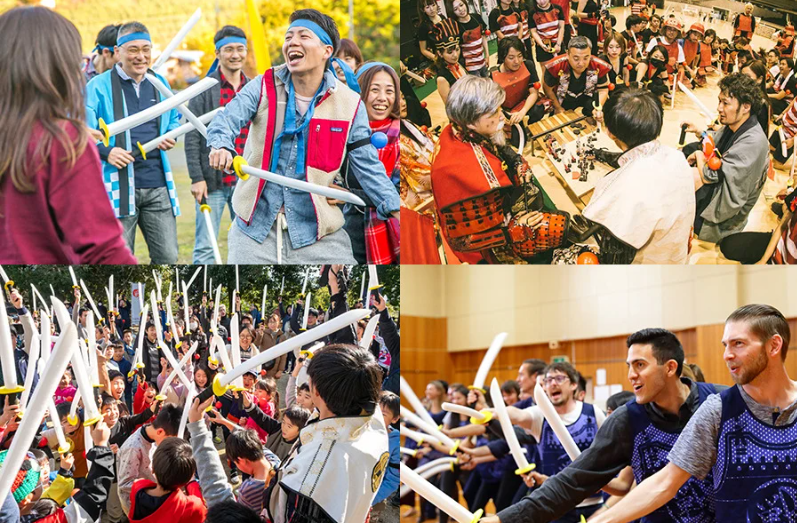
SAMURAI BATTLE / Chanbara Battle
- What it is: The world’s safest strategy battle using foam swords and “life” balls.
- Why it works: It uses the PDCA cycle (Strategy -> Battle -> Review), fostering leadership and teamwork.
- Global Friendly: English-speaking MCs, simple rules, and highly inclusive for all ages and fitness levels.
⇒Download our SAMURAI BATTLE / Chanbara Battle guide.
Samurai Heritage Workshop
- What it is: Hands-on craft stations like folding fan painting or armor fitting.
- Why it works: It provides a “Cultural Twist” that is authentic and accessible, even for those who prefer low-impact activities.
- Global Friendly: Uses high-quality, authentic materials to provide a “premium” Japanese experience.
⇒Download our Samurai Heritage Workshop guide.
EXPLORATION QUEST
- What it is: An outdoor scavenger hunt that turns a city or resort into a puzzle.
- Why it works: It combines “Team Building” with “Tourism,” forcing teams to manage resources and communicate effectively while sightseeing.
- Global Friendly: Fully localized English kits and systems available.
⇒Download our EXPLORATION QUEST guide.
Whether your objective is boosting foot traffic, optimizing a specific facility, or fostering community unity, we provide the expertise needed to ensure your event’s success.
Ready to bring your vision to life?
⇒Download our comprehensive guide.