In the lifecycle of any project or fiscal year, the “Kick-off Event” is the single most critical moment. It is the starting gun. If the shot is muffled, the runners stumble. If it rings out clear and strong, the team sprints in unison.
But far too often, corporate kick-offs devolve into “death by PowerPoint”—hours of passive listening that leave teams drained rather than energized.
As specialists in cross-cultural team building in Japan, we propose a different approach. Here is a comprehensive guide to understanding what a Kick-off Event truly is, why it matters, and how to inject the Japanese spirit of “Kekkikai” (Rallying Cry) to transform a boring meeting into an unforgettable experience.
⇒Download our comprehensive guide.
What is a Kick-off Event?

A kick-off event is a meeting held at the beginning of a new project, fiscal year, or strategic initiative. Its primary function is to align the project team and stakeholders with the goals, timeline, and processes.
However, a successful kick-off goes beyond logistics. It serves three psychological pillars:
- Alignment (The Head): Ensuring everyone understands what success looks like and how to get there.
- Motivation (The Heart): Generating excitement and buy-in. The team should leave feeling, “I want to do this.”
- Trust (The Gut): Breaking down barriers between team members to establish psychological safety before the pressure mounts.
Why “Standard” Kick-offs Fail

In many Western corporate cultures, the focus tilts heavily toward Alignment. Agendas are packed with roadmaps, KPIs, and compliance reviews. While necessary, this information-heavy approach ignores the human element.
The result?
- Low Engagement: Attendees check their phones during slides 20 through 50.
- No Connection: Remote or siloed teams remain strangers.
- Zero Recall: A week later, no one remembers the core message.
This is where the Japanese concept of “Kekkikai“ offers a solution. In Japan, a kick-off is not just a meeting; it is a ritual to forge unity, “Wa”. It prioritizes the emotional synchronization of the team.
How to Structure the Perfect Kick-off (The “Hybrid” Model)
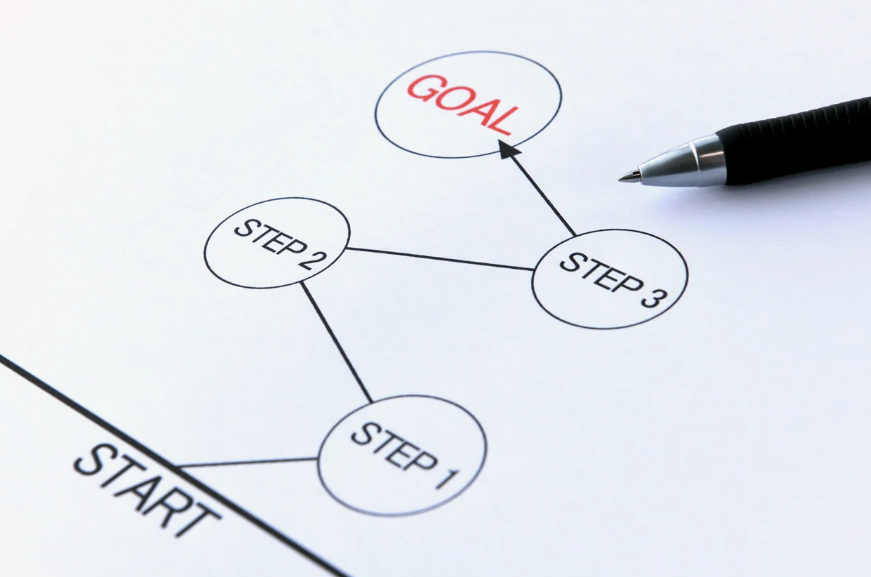
To maximize ROI, we recommend a hybrid structure: 30% Business Strategy + 70% Interactive Experience.
Here is how to plan it, integrating unique Japanese activities to differentiate your event from “just another meeting.”
Phase 1: The Strategy Session (The “Why”)
- Duration: 60–90 Minutes
- Focus: Vision and Clarity.
- Content: Keep presentations short (TED Talk style). Focus on the “Big Picture” rather than minute details. Use this time for Q&A to clear roadblocks early.
Phase 2: The “Kekkikai” Experience (The “Who”)
- Duration: 2–3 Hours
- Focus: Interaction and Shared Struggle.
- The Goal: Stop talking to your team and start working with them.
Here are 5 unique, Japanese-inspired activities that act as perfect kick-off catalysts:
Best for: Breaking the ice & Strategic Alignment Forget awkward trust falls. In this activity, teams wield soft foam swords in a safe, strategic battle.
・The Kick-off Connection: It utilizes the PDCA cycle (Plan-Do-Check-Act). Between rounds, teams must hold a “War Council” to strategize. It perfectly mimics the agile project management needed for your upcoming work.
・Why it works: It flattens the hierarchy. A junior dev can defeat a CEO. This creates immediate psychological safety.
⇒Download our SAMURAI BATTLE / Chanbara Battle guide.
Best for: Problem Solving & Role Definition Teams are “locked” in a scenario (like a historical crisis) and must solve complex riddles to escape.
・The Kick-off Connection: The puzzles are designed so that no single person has all the answers. It forces silo-busting and collaboration, proving that “we need everyone’s input to succeed.”
・Why it works: It reveals natural leaders and thinkers in a low-stakes environment.
⇒Download our THE ENIGMA ESCAPE guide.
Best for: Large-Scale Unity & Inclusion A reimagining of the traditional Japanese sports festival, featuring unique, non-athletic challenges like the “Great Bale Roll.”
・The Kick-off Connection: Great for launching large departments or entire companies. It visualizes the concept of “One Team” moving towards a goal.
・Why it works: It is highly visual and inclusive. Everyone, regardless of fitness level or language ability, can participate.
⇒Download our Samurai Undokai: Japan’s Team Sports Festival guide.
Best for: Onboarding & Exploration A city-wide scavenger hunt where the real world becomes the game board.
・The Kick-off Connection: If your team is visiting a new HQ or a specific region (like Tokyo) for the kick-off, this combines orientation with team building.
・Why it works: It creates shared memories outside the office, which anchors the team’s relationship in a positive experience.
⇒Download our EXPLORATION QUEST guide.
Best for: Celebration & Socializing A professional dismantling of a giant tuna, served fresh to the team.
・The Kick-off Connection: Food is the ultimate equalizer. This is perfect for the “Party” phase of the kick-off, replacing stale pizza with a culturally rich “Wow!” moment.
・Why it works: It signals to the team that they are valued. High-quality hospitality leads to high employee engagement.
⇒Download our THE TUNA SPECTACLE guide.
Don’t Just Start—Launch.

A Kick-off Event is the first chapter of your project’s story. If it is boring, your team will expect the project to be boring.
By borrowing from the Japanese tradition of Kekkikai—prioritizing emotional connection and shared experience alongside business strategy—you do more than just relay information. You build a tribe.
Ready to plan a kick-off that your team will actually remember? IKUSA offers full English support and professional facilitation for all the activities listed above. We turn “meetings” into “movements.”
⇒Download our comprehensive guide.