In the modern corporate landscape, traditional icebreakers often fail to create lasting cultural impact. Forward-thinking HR managers are increasingly looking toward the Japanese Undokai, or Corporate Field Day, as a strategic tool to foster genuine synergy and cross-departmental communication. By integrating group-based competitions, companies can break down silos and observe leadership dynamics in a high-energy, inclusive environment.
This guide outlines 35 curated activities, ranging from cultural heritage classics to modern “New Sports,” designed to maximize employee engagement and organizational health.
⇒Download our comprehensive guide.
The Strategic Framework: How to Select High-ROI Activities
Choosing the right mix of events is critical for ensuring inclusivity and maintaining a high pace throughout the day. A successful event relies on three pillars:
The Balance of Tradition and Innovation Effective event planning requires a strategic blend of Classic and Unique activities. Classic games are intuitive and require minimal instruction, which reduces friction. However, introducing New Sports creates a level playing field where no one has a prior advantage, sparking fresh enthusiasm and requiring teams to develop new strategies together from scratch.
Scaling for Maximum Participation To avoid the spectator trap, organizers must consider the total headcount. High-ROI events balance all-hands activities where the entire team participates simultaneously with specialist games that highlight individual strengths. This ensures every employee feels valued and remains engaged.
Safety and Seamless Execution The physical environment dictates the scope of your activities. It is essential to verify venue capabilities—such as ceiling height and floor surfaces—during the early planning stages to ensure psychological and physical safety for all participants.
13 Heritage Activities: Building a Shared Foundation
These traditional Japanese games are pillars of the Undokai experience, focusing on fundamental synchronization and collective effort.
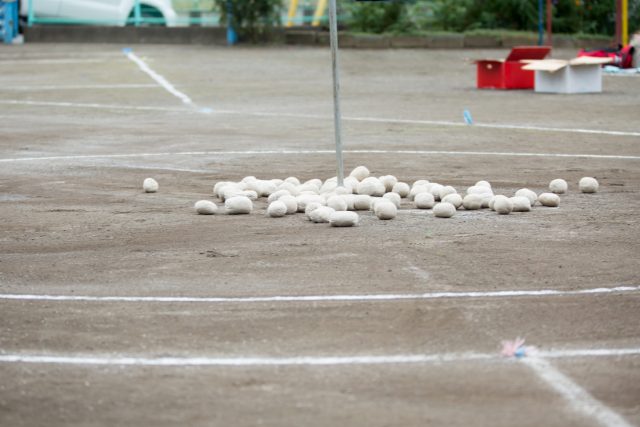
1. Ball Toss, “Tama-ire“ ; Role Distribution. Teams compete to toss the most beanbags into a high basket. While it seems simple, successful teams assign roles, such as gatherers and shooters, to maintain a continuous flow of attempts. It is highly inclusive across all age groups and physical abilities.
2. Giant Ball Pass, “O-dama Okuri“ ; Seamless Coordination. Participants pass a massive ball over their heads. This requires a synchronized rhythm across the entire line. It serves as a literal metaphor for a seamless supply chain or information hand-off within a project.
3. 10-person 11-leg race; Group Synchronization. A high-stakes version of the “three-legged race”. Success depends entirely on the group’s ability to communicate a shared cadence. It highlights the importance of the slowest member, teaching teams to adjust their pace for collective success.
4. Giant Rope Jump; Collective Timing. A large group jumps a long rope simultaneously. It is an excellent metric for team persistence. The psychological bond created when the group finally achieves ten consecutive jumps is powerful and lasting.
5. Cheering Battle; Cultural Alignment. Teams perform choreographed routines to support their members. This fosters deep psychological safety and team identity, allowing employees to step out of their comfort zones in a supportive environment.
6. Tug of War; Unified Strength. A classic test of raw power and unified heave-ho timing. It creates instant camaraderie and demonstrates the power of a workforce pulling in the same direction.
7. Integrated Relay; Goal Orientation. The “highlight” of the event. Organizing heats by department ensures fair competition and gives everyone a chance to contribute to the final team score, emphasizing that every individual’s effort counts toward the ultimate goal.
8. Folk Dance; Icebreaking and Unity. A rhythmic, all-hands activity that simplifies social interaction through shared movement. It lowers social barriers and is often used as a cool-down or a bridge between more competitive segments.
9. Eye of the Typhoon; Strategic Positioning. A team of four runs while holding a long pole. The outer runners must exert more effort to pivot, requiring strategic placement of the most athletic members and constant communication.
10. Bread-eating Race; Morale and Humor. A lighthearted race where participants grab hanging treats using only their mouths. It serves as a great “energy booster” and humanizes leadership when managers participate alongside their staff.
11. Bag Race, “Minomushi“; Communication under Pressure. Jumping toward a goal while inside a narrow sack. It encourages natural vocal support from teammates on the sidelines, fostering a culture of vocal encouragement.
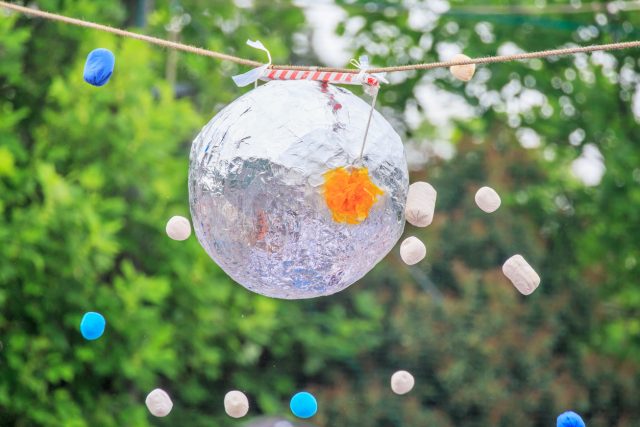
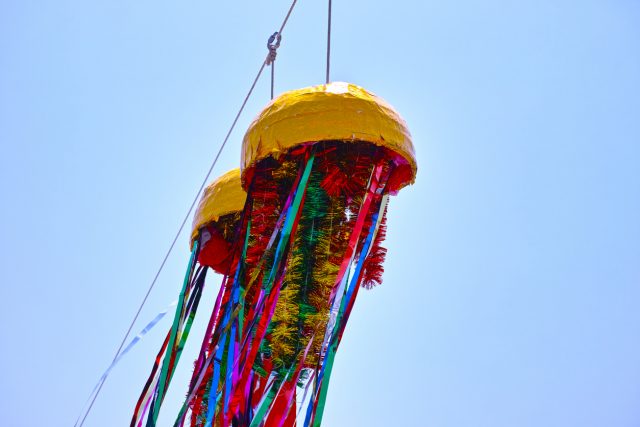
12. “Kusudama“ Breaking; Shared Milestones. Teams pelt a decorative ball with beanbags until it bursts. This is ideal for a finale, as the bursting ball can reveal a corporate message or celebrate the achievement of a quarterly target.
13. Scavenger Hunt, “Kari-bito“; Networking. Participants must find specific people (e.g., someone with a green tie or someone who speaks three languages) to cross the finish line. This forces cross-departmental interaction and helps employees discover hidden talents in their colleagues.
22 Innovative Activities: Driving Strategic Thinking
These “Unique” games are designed to challenge teams to think outside the box, emphasizing the PDCA cycle and inclusive participation.
14. Centipede Race, “Mukade Kyoso“; Teammates tie their legs together in a line using straps. This requires constant verbal communication and rhythm to prevent stumbles, directly mirroring complex project management workflows where dependencies are high.
15. Ping Pong Spoon Race; Balancing a ball on a spoon while sprinting. Swapping spoons for ladles or spatulas introduces a “variable difficulty” that tests a team’s ability to adapt to changing environments or unexpected obstacles.
16. O/X Quiz, Corporate Trivia; A large-scale true/false game. Using company history or product facts as questions gamifies corporate training and employee onboarding, ensuring that vital company knowledge is retained in a fun way.
17. Bubble Soccer; Participants wear inflatable bubbles. It levels the playing field for those who aren’t “traditionally athletic” because the physical contact is safe and humorous, focusing the energy on effort rather than pure skill.
18. Kin-ball; Teams of four work together to keep a giant, lightweight ball from touching the ground. It is a “NEW Undokai;The Next Generation of Corporate Sports Days.” that emphasizes strategic hits and receives, making it a perfect team-building exercise that requires 100% participation from every member.
⇒Download our NEW Undokai;The Next Generation of Corporate Sports Days. guide.
19. Caterpillar Race; Moving inside a cardboard loop. Because the driver is often blinded by the cardboard, they must rely entirely on external vocal cues from their team. This builds radical trust and emphasizes the importance of clear, concise instructions.
20. Musical Chairs; A high-stakes version of the childhood classic. Scaling the number of chairs for a large corporate group allows for massive participation and creates a surprisingly competitive and high-energy atmosphere.
21. Defense Ball Toss; An evolution of the traditional Ball Toss where one opponent uses a paddle to block incoming balls. Teams must develop offensive strategies to bypass the defense, fostering tactical communication and real-time problem-solving.
22. The Flower Stage; A challenge to see how many people can balance on a small wooden platform. It is purely about physical cooperation, empathy, and space management rather than athletic prowess, making it highly inclusive.
23. Leapfrog Relay; Continuous jumping over teammates. This requires a high degree of physical “give and take” and is best executed with a short practice session, highlighting the value of training and preparation.
24. Giant Beach Ball Volley; Keeping a massive ball airborne for as many hits as possible. Adding time limits or “knockout” rounds increases the intensity and requires teams to manage their focus under time pressure.
25. Giant Bale Roll, “O-tawara Korashi“; Rolling a massive straw bale prop through an obstacle course. The visual impact is high, making it excellent for internal company newsletters and fostering a sense of pride in collective heavy lifting.
26. “Shuriken“ Battle; A dodgeball variant using soft foam frisbees. It requires less throwing power than traditional dodgeball, making it a highly inclusive, gender-neutral sport that focuses on agility and strategy.
⇒About Giant Bale Roll, “O-tawara Korashi” & “Shuriken” Battle(Download our Samurai Undokai: Japan’s Team Sports Festival guide.)
27. Pole Toppling, “Bo-taoshi” ; A strategy game where teams split into “Attacker” and “Defender” units. It requires clear leadership and role assignment to protect the team’s pole while simultaneously attacking the opponent’s.
28. Tail Tag; Participants try to snatch tails (ribbons) from opponents’ waistbands. It is a simple, high-cardio game that works exceptionally well for “Family Day” events where children of employees are present.
29. Castle Siege; Teams throw beanbags to demolish a cardboard castle. This allows for creative roles, such as “builders” who try to repair the castle during the attack, emphasizing the need for both offensive and defensive mindsets.
30. SAMURAI BATTLE / Chanbara Battle; A team-based combat game using foam swords to hit a ball, called souls, “Inochi” on the opponent’s arm. This is highly engaging and necessitates a strong pre-game war council to plan flanking maneuvers and tactical retreats.
⇒Download our SAMURAI BATTLE / Chanbara Battle guide.
31. Synchronized Posing; Pairs must pull a prompt and strike the same pose (e.g., Thinker or Heart) without speaking. It is a cross-generational icebreaker that relies on intuition and non-verbal cues.
32. Back-throw Ball Toss; A variant of the Ball Toss where players face away from the basket. Teammates on the sidelines act as spotters, shouting directions to help the throwers adjust their aim, highlighting the importance of the consultant or coach role.
33. Flying Carpet, Giant Ball Carry; Four people carry a giant ball on a flexible tarp. If the tension isn’t perfectly balanced, the ball falls. It is a literal metaphor for project stability and the need for balanced workload distribution.
34. Pole Pulling; A multi-object tug of war where teams dash to the center to claim as many poles as possible. Success requires rapid decision-making—knowing when to “cut losses” and help a teammate elsewhere to secure a win.
35. Dodgebee; Combining dodgeball with a soft frisbee. The unpredictable flight path of a frisbee adds a layer of thrill and ensures that even the most athletic participants must stay alert and adapt, rewarding agility over raw strength.
Conclusion: Investing in Your Greatest Asset
A well-executed corporate “Undokai” is more than just a day away from the desk; it is a strategic investment in employee engagement and long-term retention. By carefully selecting a mix of these 35 activities, HR leaders can facilitate a culture of open communication and psychological safety that persists long after the event concludes.
When planning your next event, prioritize activities that challenge your teams to think, move, and win together. The result will be a more resilient, synchronized, and motivated workforce.
⇒Download our comprehensive guide.