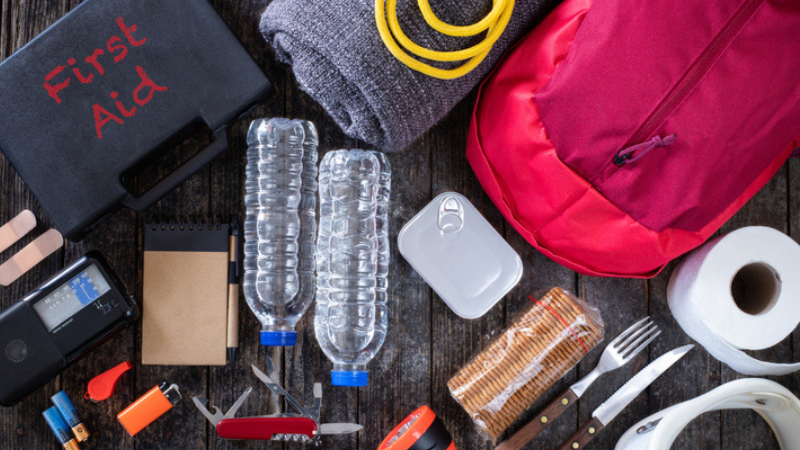
On March 22, 2022, the Disaster Prevention Consensus Game “Stranded Survival” was conducted in English as part of a specialized project. All participants resided overseas and joined the session online from various countries across South America.
What is the Disaster Prevention Consensus Game?
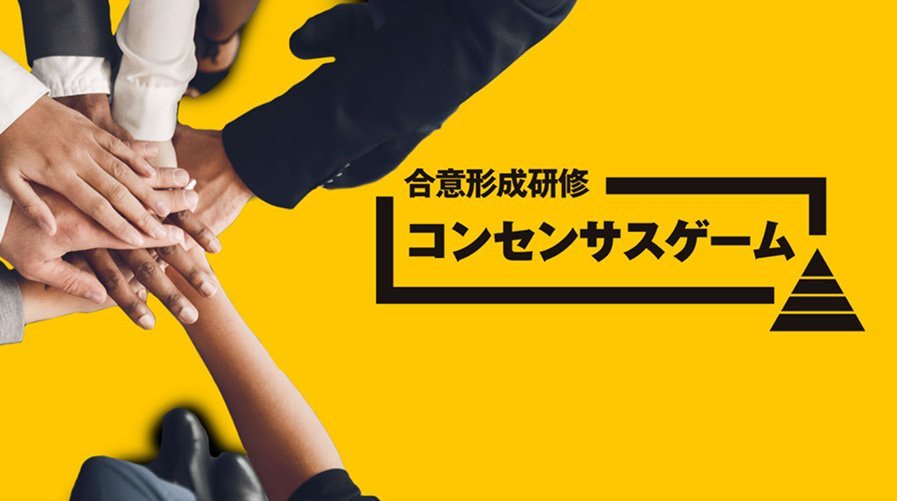
The activity conducted for this event was the Disaster Prevention Consensus Game “Stranded Survival”.
About Consensus Games

A consensus game is a practical exercise where teams work toward reaching a consensus (unanimous agreement). Achieving full team agreement is essential to the process.
IKUSA’s consensus games are online activities designed for team building. Participants first consider solutions to a problem individually before moving into group work to consolidate their thoughts into a single team opinion. The core of the exercise is the discussion process, where members share ideas to reach a conclusion that is satisfying to everyone in the group.
Key elements include:
- Moving beyond intuition to engage in logical thinking and providing clear rationales for opinions.
- Overcoming conflicts arising from different values by sharing a common objective.
- Reflecting on whether consensus was achieved within the time limit, allowing the process to be applied to real-world business scenarios.
About “Stranded Survival”
This specific game simulates an urban earthquake. Teams must decide on their actions while considering realistic scenarios to navigate a disaster-stricken city and reach “home”. Through the game, participants naturally acquire practical disaster prevention knowledge.
Background of the Event
The primary objective of this event was to facilitate interaction between participants from various countries.
Furthermore, the event aimed to communicate Japanese culture by introducing “disasters in Japan”. Since many participants lived in regions where earthquakes are rare, disaster prevention was an unfamiliar concept to many of them.
Highlights of the Day

The entire event, including the MC’s performance and facilitator support, was conducted in English. This ensured that participants from overseas could join the game smoothly. A notable highlight was the active communication observed among the participants throughout the session.
An Earthquake Occurs! What Items Will You Take?
Participants first decided individually which items to take when evacuating during a disaster, then worked to reach a single team consensus through group work. Even those unfamiliar with earthquakes engaged with the task earnestly, and the groups showed high levels of interaction.
One interesting result was the high priority placed on a “Map“. In typical sessions, “Maps” are often ranked lowest, as people suggest asking others for directions or relying on road signs. However, in this session, many participants were unfamiliar with Japanese road signs. The divergent circumstances of their respective home countries led to this unique outcome.
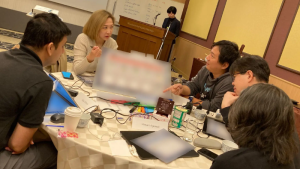
Team Discussion
During the discussions, participants shared details about their home countries and the environments they grew up in.
Consensus games are designed to foster an understanding of different perspectives amidst diverse values. This event perfectly utilized the game’s features, as participants from various backgrounds discussed their cultural differences. Even after the event, participants continued to discuss their home countries and exchange contact information, creating a friendly atmosphere.
Benefits of the Disaster Prevention Consensus Game
There are three primary benefits to conducting this game:
- Learning Disaster Prevention Through Play: Opportunities to learn about disaster prevention are often limited in daily life, and formal lectures can feel like a high hurdle. IKUSA’s “Asobi (Play) Disaster Prevention Project” (started in 2018) provides an engaging first step through various events like “Disaster Prevention Sports Day” and “Disaster Prevention Mystery Solving”.
- Learning Consensus Building, Not Just Majority Rule: Reaching a unanimous consensus is more difficult and time-consuming than a majority vote, but it increases the sense of ownership within the team and encourages proactive involvement.
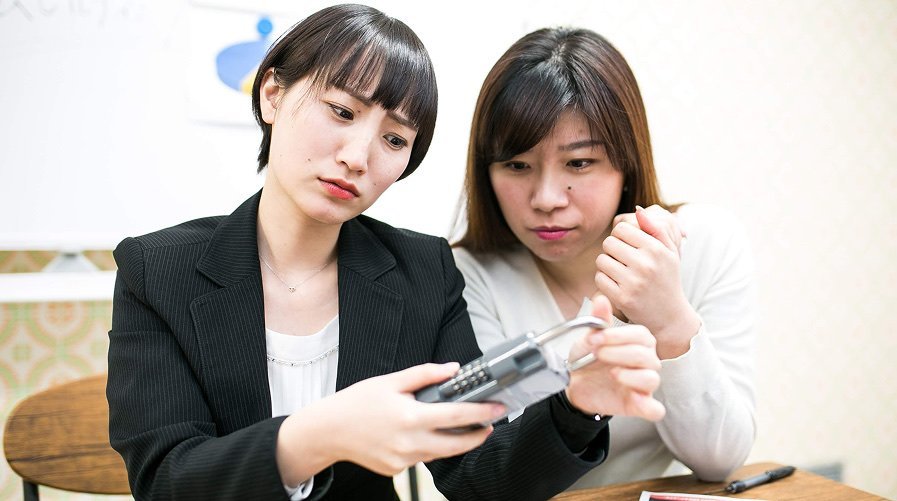
- Applicable to Multinational Companies: IKUSA can conduct all content in English upon request. For example, the online mystery-solving game “Remo-Nazo” offers a dedicated “Remo-Nazo ENGLISH” package, where the MC, facilitators, and system interface are all provided in English.
Conclusion
This report covered the consensus game conducted for participants from South American countries. IKUSA manages a wide range of activities, both online and in-person. With a proven track record of hosting events in English for multinational corporations and international student exchange programs, we invite you to contact us for your next event.