Communicating Without Words: The Power of the “Charades (Gesture Game)”
In a multicultural office, language can sometimes be a barrier. But humor and body language are universal.
Charades—often referred to as a “Gesture Game” in Japan—is one of the most effective, zero-cost icebreakers for global teams. It naturally encourages team members to observe, empathize, and think creatively to convey a message without speaking.
Below is the ultimate list of 250 curated Charades ideas, categorized for easy use in your next team building event.
⇒Download our comprehensive guide.
The Ultimate List: 250 Charades Ideas

1. Animals (50 Ideas)
How to act them out (examples)
- Elephant: Use one arm as a long trunk and swing it slowly.
- Gorilla: Beat your chest and walk with heavy, exaggerated steps.
- Snake: Wiggle your body side to side as if slithering.
Classics that everyone knows. Great for warming up.
- Elephant
- Monkey / Gorilla
- Lion
- Tiger
- Bear
- Panda
- Giraffe
- Rabbit
- Kangaroo
- Penguin
- Dog
- Cat
- Mouse
- Hamster
- Squirrel
- Chicken / Rooster
- Duck
- Bird / Eagle
- Owl
- Snake
- Frog
- Turtle
- Lizard
- Crocodile / Alligator
- Fish
- Shark
- Whale
- Dolphin
- Seal
- Octopus
- Squid
- Crab
- Lobster / Shrimp
- Jellyfish
- Starfish
- Horse
- Cow
- Pig
- Sheep
- Goat
- Deer
- Wolf
- Fox
- Raccoon
- Bat
- Camel
- Zebra
- Cheetah
- Hippo
- Rhino
2. Daily Life Actions (40 Ideas)
How to act them out (examples)
- Brushing teeth: Move your hand back and forth near your mouth.
- Waking up: Stretch your arms wide and yawn dramatically.
- Using a smartphone: Tap and swipe an imaginary screen with your thumb.
Simple actions from everyday life.
- Waking up
- Brushing teeth
- Washing face
- Shaving
- Putting on makeup
- Combing hair
- Getting dressed
- Tying a tie
- Putting on socks
- Tying shoelaces
- Cooking / Frying an egg
- Chopping vegetables
- Washing dishes
- Eating breakfast
- Drinking coffee
- Reading a newspaper/book
- Watching TV
- Using a remote control
- Cleaning the room
- Vacuuming
- Ironing clothes
- Folding laundry
- Taking out the trash
- Walking the dog
- Driving a car
- Riding a bicycle
- Waiting for a bus/train
- Checking a smartphone
- Taking a selfie
- Listening to music with headphones
- Opening an umbrella
- Sneezing
- Coughing
- Yawning
- Stretching
- Taking a shower
- Drying hair with a dryer
- Sleeping / Snoring
- Dreaming
- Turning off the alarm
3. Sports & Hobbies (40 Ideas)
How to act them out (examples)
- Soccer: Dribble an invisible ball and kick it forward.
- Tennis: Swing an imaginary racket and follow through.
- Yoga: Hold a simple balance pose and breathe slowly.
Dynamic movements to get the energy up.
- Baseball (Pitching)
- Baseball (Batting)
- Soccer / Football
- Basketball (Dribbling/Shooting)
- Tennis
- Table Tennis (Ping Pong)
- Badminton
- Volleyball
- Golf
- Bowling
- Rugby / American Football
- Swimming
- Surfing
- Skiing
- Snowboarding
- Ice Skating
- Figure Skating
- Boxing
- Wrestling
- Sumo Wrestling
- Judo
- Karate / Martial Arts
- Kendo
- Archery
- Fencing
- Fishing
- Hiking / Climbing
- Running / Jogging
- Marathon
- Sprint (Dash)
- High Jump
- Weightlifting
- Yoga
- Ballet
- Hula Dance
- Billiards / Pool
- Darts
- Playing Video Games
- Photography
- Gardening
4. Professions (40 Ideas)
How to act them out (examples)
- Doctor: Listen with an imaginary stethoscope and nod seriously.
- Chef: Chop ingredients and flip a pan with confidence.
- Photographer: Look through a camera lens and press the shutter.
Can you act out a job without using props?
- Doctor
- Nurse
- Dentist
- Surgeon
- Police Officer
- Firefighter
- Teacher
- Chef / Cook
- Sushi Chef
- Baker
- Waiter / Waitress
- Bartender
- Pilot
- Flight Attendant
- Train Conductor
- Taxi Driver
- Bus Driver
- Truck Driver
- Carpenter
- Electrician
- Painter (Artist)
- Painter (House)
- Farmer
- Fisherman
- Astronaut
- Scientist
- Detective
- Judge
- Lawyer
- Politician
- Soldier
- Hairdresser / Barber
- Makeup Artist
- Model
- Photographer
- Journalist / Reporter
- YouTuber
- Programmer / Developer
- Musician
- Magician
5. Food & Dining (30 Ideas)
How to act them out (examples)
- Eating ramen: Slurp long noodles and react to the heat.
- Eating sushi: Carefully dip, then eat with satisfaction.
- Brain freeze: Grab your head and freeze in place.
Focus on how you eat these specific items.
- Eating Ramen / Noodles
- Eating Sushi
- Eating Spaghetti
- Eating Pizza
- Eating a Hamburger
- Eating a Hot Dog
- Eating a Sandwich
- Eating Steak (Cutting meat)
- Eating Corn on the cob
- Eating an Apple
- Eating a Banana
- Eating Grapes
- Eating Watermelon
- Eating Ice Cream (Cone)
- Eating Ice Cream (Cup)
- Eating a Donut
- Eating Popcorn
- Eating Chocolate
- Drinking Bubble Tea (Tapioca)
- Drinking Hot Tea
- Drinking Wine
- Opening a Champagne bottle
- Using Chopsticks
- Squeezing a Lemon
- Peeling an Orange
- Cracking an Egg
- Baking a Cake
- Grilling BBQ
- Wasabi (Too spicy!)
- Brain Freeze (Cold!)
6. Music & Instruments (20 Ideas)
How to act them out (examples)
- Guitar: Strum energetically and move with the rhythm.
- Piano: Play with both hands and sway slightly.
- DJ: Turn imaginary knobs and hype up the crowd.
Act out playing the instrument.
- Guitar (Electric)
- Violin
- Piano
- Drums
- Trumpet
- Saxophone
- Flute
- Harp
- Accordion
- Ukulele
- Conducting an Orchestra
- Opera Singer
- Rapper
- DJ (Turntable)
- Rock Star
- Karaoke
- Microphone
- Headphones
- Air Guitar
- Whistling
7. Office & Remote Work Scenarios (15 Ideas)
How to act them out (examples)
- You’re on mute: Talk confidently, then panic when no one reacts.
- Typing furiously: Type fast, pause, then delete everything.
- The computer froze: Click repeatedly, then stare in disbelief.
Funny and relatable for corporate teams.
- “You are on mute”
- Typing furiously
- The computer froze
- No Wi-Fi signal
- Falling asleep in a meeting
- Exchanging business cards
- Giving a presentation
- Answering a phone call
- Stuck in a crowded train
- Running late
- The printer is jammed
- Signing a contract
- Brainstorming
- Drinking water cooler chat
- Asking for a raise
8. Emotions & Abstract Concepts (15 Ideas)
How to act them out (examples)
- Confused: Tilt your head and shrug with exaggerated expressions.
- In love: Hold your hands to your chest and smile dreamily.
- Heavy: Pretend to lift something extremely heavy with effort.
For a more advanced challenge.
- Happy
- Sad / Crying
- Angry
- Scared / Terrified
- Surprised
- Confused
- Bored
- Tired / Exhausted
- Shy
- In Love
- Heartbroken
- Hot (Temperature)
- Cold (Temperature)
- Heavy (Lifting something)
- Light (Feather)
Why “Silent Games” Boost Global Team Performance
Charades is fun, but the ROI (Return on Investment) goes deeper than just laughter.
- Psychological Safety: In many global meetings, non-native speakers hesitate to speak up. This game removes the language hierarchy immediately—because everyone is playing with the same constraints..
- Improving “CQ” (Cultural Intelligence): To guess correctly, you have to read your colleague’s nuances. It trains observation skills.
- Visualizing Communication Gaps: It quickly reveals how your team communicates. Do they give up easily? Or do they try different angles to get the message across?
Beyond Charades: 5 Ways to Experience “Real” Japanese Team Building
If your team enjoys Charades, they are ready for the next level. At IKUSA, we specialize in unique “Edutainment” events that combine Japanese cultural themes with serious team building methodology.
Here are 5 activities that take non-verbal communication and teamwork to the next level.
Category: Strategy & Action
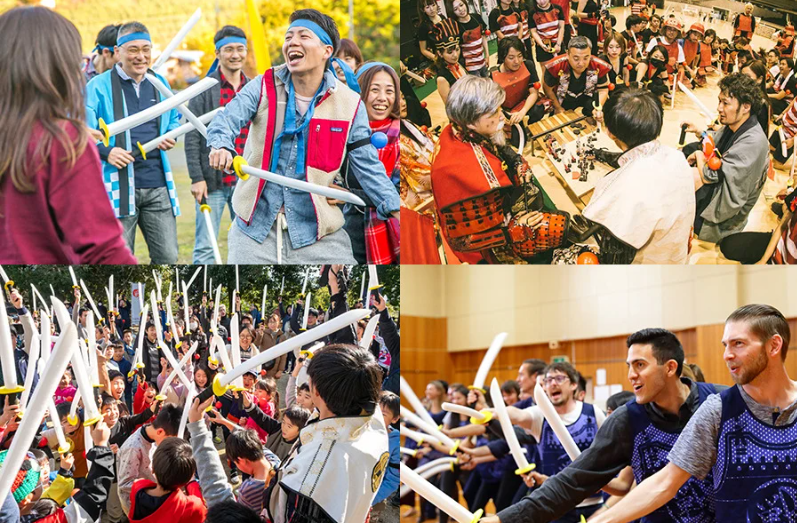
In this dynamic simulation, participants engage in a “battle” using safe foam swords to knock a “life ball” off their opponents’ arms. While the physical aspect is engaging, the core of the experience is the “Gun-gi” (War Council). Between rounds, teams must gather to plan their formations and tactical approach. This structure provides a hands-on environment to practice the PDCA (Plan-Do-Check-Act) cycle, requiring leaders to adapt their strategies in real-time based on the results of the previous skirmish.
⇒Download our SAMURAI BATTLE / Chanbara Battle guide.
Category: Intellectual & Logic
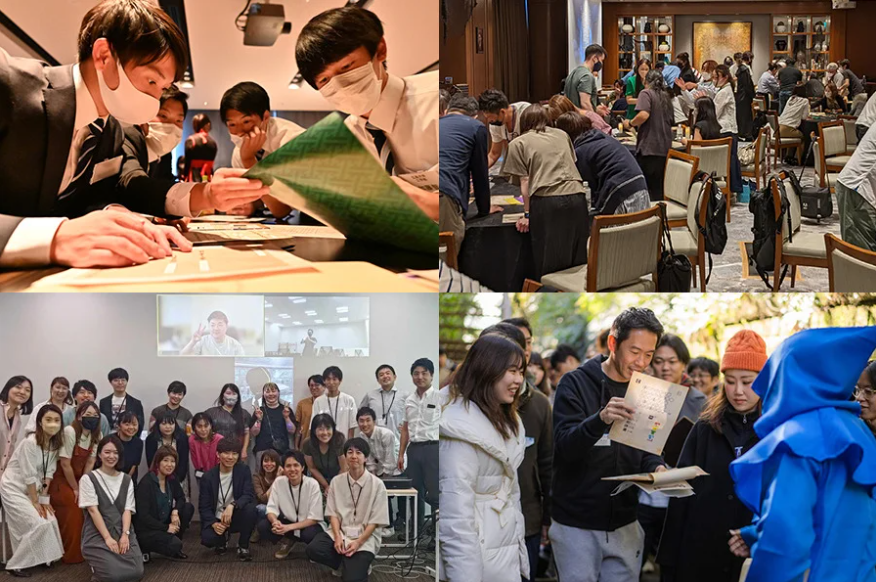
- In this mission-driven activity, teams must collaborate to solve a series of complex riddles within a strict time limit. The puzzles are specifically designed to prevent any single individual from finding the solution alone, thereby mandating cross-team information sharing. This structure naturally fosters a “flat” hierarchy where rank is set aside and the most effective ideas take precedence.
⇒Download our THE ENIGMA ESCAPE guide.
Category: Sports & Inclusivity This activity offers a Japanese-style corporate field day featuring unique challenges such as the “Giant Bale Roll” and the “Samurai Basket Toss.” Unlike traditional athletic competitions, these lighthearted games are designed so that teamwork, rather than individual athleticism, determines the winner. This makes the program exceptionally inclusive for all fitness levels and provides a visually spectacular experience that emphasizes collective effort over solo performance.
⇒Download our Samurai Undokai: Japan’s Team Sports Festival guide.
Category: Culinary Entertainment This activity features a live tuna-cutting show where a master chef dismantles a 40kg+ fish, followed by a celebratory sushi feast. The experience is designed to create a shared “peak moment” that strips away social hierarchies and encourages authentic interaction. By reacting to the same spectacle, team members experience a natural drop in barriers and an increase in psychological safety. It is a highly effective way to foster deeper team unity, particularly for groups with diverse cultural backgrounds.
⇒Download our THE TUNA SPECTACLE guide.
Category: Sightseeing & Exploration
This activity challenges teams to solve puzzles while navigating real-world spots like Asakusa. It’s a highly effective program that merges traditional tourism with strategic resource management, making it the perfect fit for visiting teams looking for a meaningful way to experience Japan.
⇒Download our EXPLORATION QUEST guide.
Ready to Sync Your Team?

IKUSA delivers over 1,000 events annually and supports everything from small groups to large-scale conferences. If you want a team building experience in Japan that’s inclusive and genuinely effective, let’s design it together.
Looking for a unique team building idea in Japan?
⇒Download our comprehensive guide.