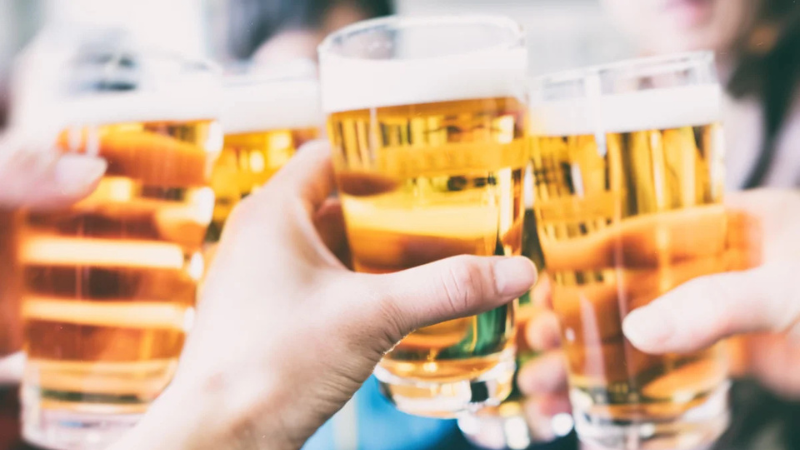
Organizing a team social or drinking party, known in Japan as a nomikai, is more than just a casual get-together. It is a strategic opportunity to foster collaboration, bridge communication gaps, and build psychological safety within a multi-cultural workforce. However, the challenge often lies in finding activities that move beyond small talk and engage everyone, regardless of the group size.
Effective team building requires activities that are inclusive, safe, and easy to execute. Whether you are hosting an intimate office gathering, a large-scale corporate event, or a virtual meetup, the following 20 games are designed to break the ice and strengthen professional bonds through shared experiences.
⇒Download our comprehensive guide.
1. Engaging Small Groups: 6 Icebreakers for Up to 10 People
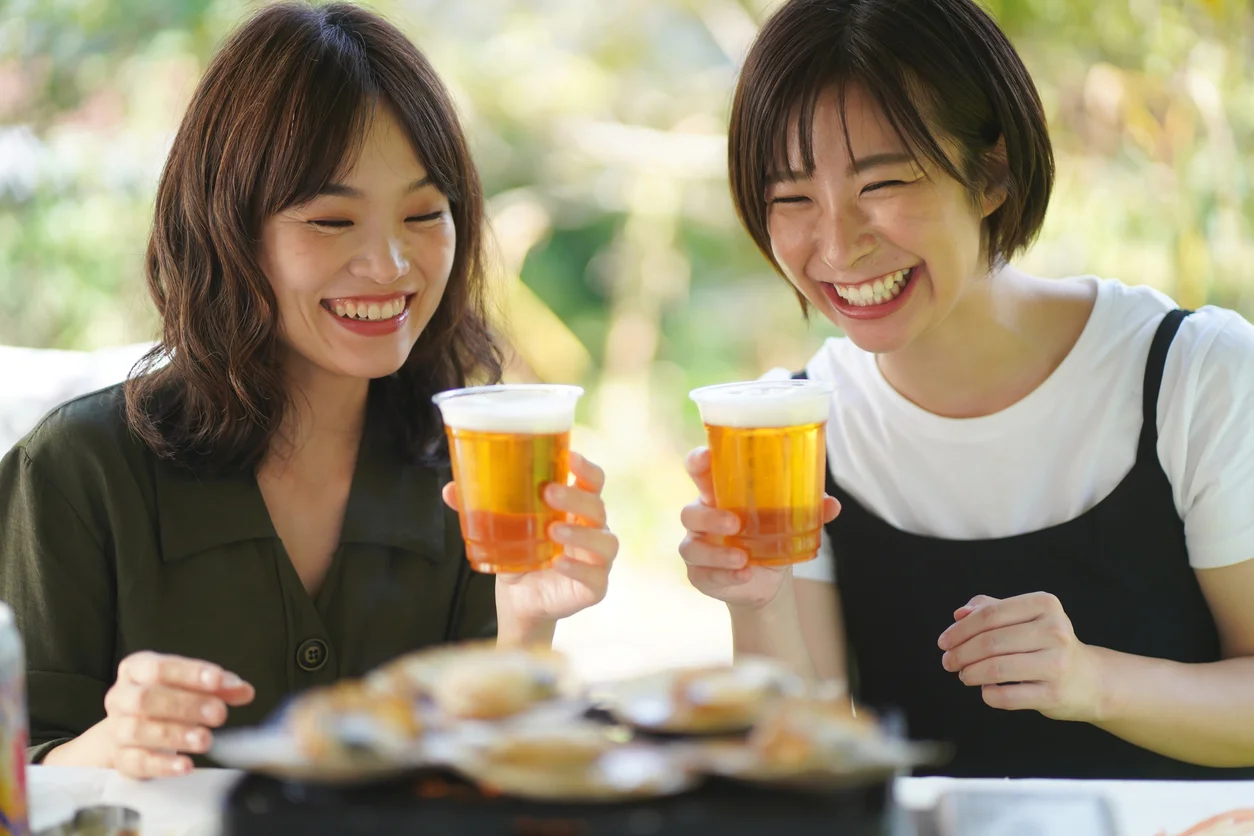
Small gatherings offer the best environment for deep individual connection. These six games require minimal preparation and maximize participation.
- Internal Clock Challenge
Without looking, participants attempt to stop a stopwatch as close to a target time as possible. The person closest to the target wins. It is a quick way to align focus and collective energy.
- Duration: 5–10 minutes
- Capacity: 2+ people
- The 31 Game
A counting game where players can say up to three consecutive numbers, aiming not to be the one who says “31”. This fosters quick decision-making and strategic thinking.
- Duration: 10–15 minutes
- Capacity: 2–5 people
- The Name Challenge (Japanese) / Personal Trivia Quiz (Global)
In Japan, players guess the Kanji characters in teammates’ names. For global teams, players answer trivia questions about each other (favorite food, hometown, first job, etc.)
- Duration: 10–30 minutes
- Capacity: 2–10 people
- Word Wolf
Most players receive the same keyword (e.g., “apple”), while one “Word Wolf” receives a slightly different one (e.g., “strawberry”); the group must identify the outlier through casual discussion. If the majority finds the Wolf, they win; if the Wolf evades detection until time runs out, the Wolf wins. This enhances observation and persuasive communication skills.
- Duration: 15–30 minutes
- Capacity: 4–10 people
- The Expression Game
Players say and act out a short phrase (like “Oh!”) in different emotional contexts (anger, surprise, sadness). Others guess which emotion they’re expressing using only voice and facial expressions.
- Duration: 15–45 minutes
- Capacity: 4–10 people
- Russian Roulette (Food Edition)
Prepare identical-looking snacks (cream puffs, takoyaki balls, etc.), but secretly fill one with extremely spicy wasabi or hot sauce. Players pick and eat simultaneously—whoever gets the spicy one loses.
- Duration: 5 minutes
- Capacity: 3–10 people
2. Scaling Up: 9 High-Energy Activities for Large Groups
For groups of over 10 people, activities must prioritize clear rules and high visibility to maintain engagement.
- Forbidden Jargon (Katakana Prohibition)
Players must avoid specific word categories—in Japan, foreign loanwords like “smartphone”; globally, corporate buzzwords like “synergy,” “bandwidth,” or “low-hanging fruit.” Each violation = 1 point; lowest score wins.
- Duration: 5–10 minutes
- Capacity: 10+ people
- The Topic Train (Category Rhythm):
A rhythmic naming game where players take turns naming items from a category (e.g., “Countries,” “Foods starting with ‘S'”). Players must maintain a steady rhythm (clap-clap-answer). If someone hesitates, repeats an answer, or breaks the rhythm, they are out.. It keeps the energy high and ensures everyone stays alert.
- Duration: 15–30 minutes
- Capacity: 3+ people
- Memory Chain
A word-chain game where you must repeat all previous words before adding your own. It is an excellent exercise for active listening and collective memory.
- Duration: 15–30 minutes
- Capacity: 3+ people
- The Majority Game
Participants vote on “A or B” questions (e.g., “Beach or Mountains?”), with the goal of being in the majority. This reveals team values and encourages reading the room.
- Duration: 15–30 minutes
- Capacity: 10+ people
- The Stand-Up Challenge
One by one, each player calls out a number. Immediately after the number is called, other players decide whether to stand or remain seated. If the number of people standing matches the called number exactly, the caller wins and exits the game. The last person remaining loses. This requires non-verbal synchronization and keen situational awareness.
- Duration: 10–20 minutes
- Capacity: 10+ people
- BINGO
A classic for a reason, Bingo allows for inclusive participation across all ages and experience levels.
- Duration: 30–60 minutes
- Capacity: 30–1,000 people
- SAMURAI BATTLE / Chanbara Battle
A safe, strategy-based combat game using sponge swords where teams engage in “Military Councils” called gungi to plan tactics. This is an ideal way to practice the PDCA cycle in a fun environment.
- Duration: 60 minutes
- Capacity: 30–1,000 people
⇒Download our SAMURAI BATTLE / Chanbara Battle guide.
⇒Download our All-Employee Thanksgiving: Interactive Quiz & Awards guide.
- The All-In Mega Puzzle Challenge
A collaborative puzzle game where the solution is split across all participants, necessitating information sharing. It mandates communication as the group works toward a single goal.
- Duration: 90–120 minutes
- Capacity: 10–600 people
3. Best 5 Games for Virtual Online Team Gatherings
Optimized for Zoom, Teams, and Miro to prevent “screen fatigue”.
- Virtual Charades
A gesture-based game that works perfectly on camera to boost team energy and visual communication.
- Duration: 15–30 minutes
- Capacity: 5+ people
- Digital Drawing Chain
A Pictionary-style game using screen-sharing tools. One player draws a prompt while others guess. Rotate through the team, with each correct guesser becoming the next artist.
- Duration: 15–30 minutes
- Capacity: 3–6 people
- At-Home Scavenger Hunt
Players must find a physical object in their house that starts with the last letter of the previous player’s item (e.g., “Mug” → “Guitar” → “Remote”)
- Duration: 15–45 minutes
- Capacity: 5–10 people
- The Premium Guess Challenge
Similar to a professional tasting, participants view or sample items from various categories (e.g., premium vs. standard tea, artwork, beef) and vote on which is the “first-class” item. Points are awarded for correct identifications. This can be delivered as a pre-packaged service with video guidance.
- Duration: 30–60 minutes
- Capacity: Flexible
- Virtual Quiz Festival
A digital version of the corporate quiz, managed through a streamlined system to ensure smooth execution.
- Duration: 60 minutes
- Capacity: Flexible
Conclusion: Designing Your Next Event
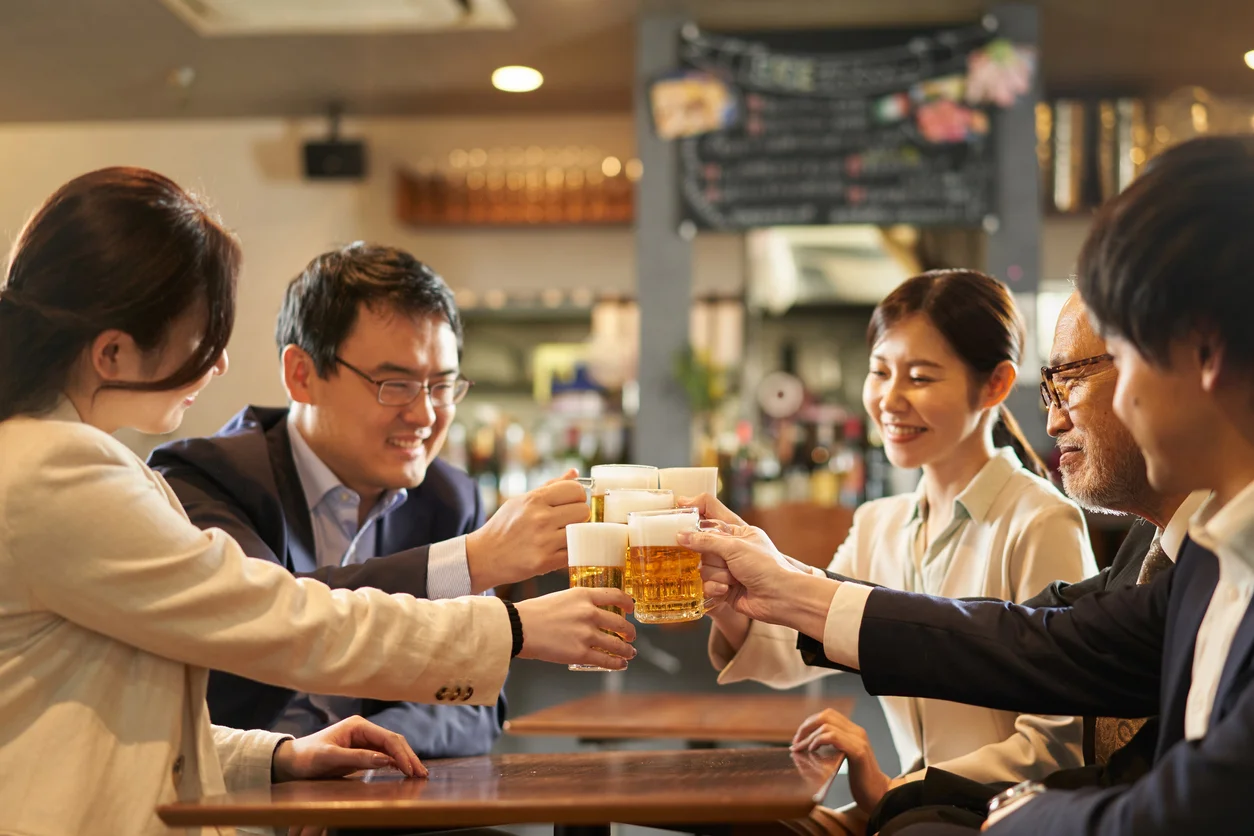
The right activity depends on your specific goals—be it improving communication, practicing strategic planning, or simply boosting morale. By moving away from standard presentations and into interactive play, you create an environment where every employee feels seen and valued.
Ready to elevate your team building experience? We provide bilingual facilitators and professional event management to ensure your program is inclusive and impactful for a global audience—whether you’re hosting 6 people or 1,000.
⇒Download our comprehensive guide.