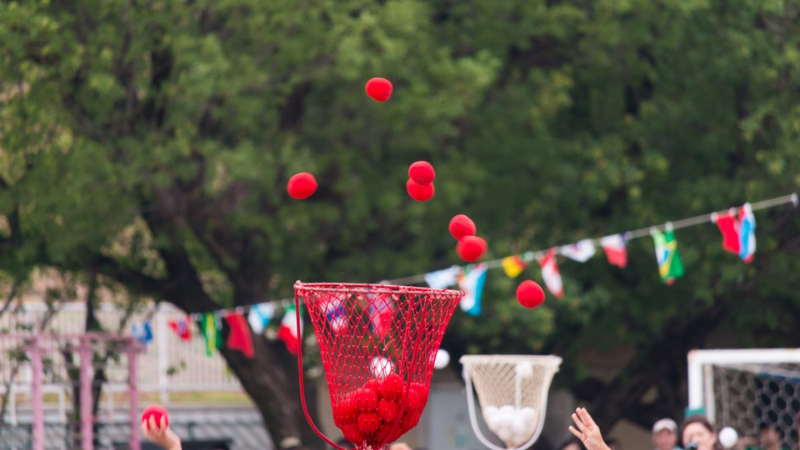
Why Modern HR Leaders are Redefining the Corporate Field Day
Traditional corporate events often struggle with silos, where employees only interact with their immediate peers. In contrast, a well-structured field day breaks down these barriers by encouraging collaboration between executives and new hires through low-stakes shared challenges.
⇒Download our comprehensive guide.
Strategic Benefits of Inclusive Physical Activity
- Strengthening Team Unity : Participating in group challenges and cheering for teammates builds a sense of collective identity that translates directly to better workplace synergy.
- Dismantling Communication Silos: Unlike happy hours or dinners where social circles remain rigid, field days force diverse interactions through varied team assignments.
- Mental Well-being: Stepping away from the screen to engage in light physical movement helps reduce burnout and can improve overall health awareness.
Addressing Common Barriers to Participation
Despite the benefits, many employees feel “event fatigue” or anxiety regarding physical competition. Research indicates that the primary reasons for resistance include a dislike for sports, the loss of personal weekend time, and the burden of mandatory practice. To ensure high participation and a positive ROI, organizers should consider hosting events on work hours and selecting activities that require zero prior training.
41 Curated Activities for an Inclusive Field Day
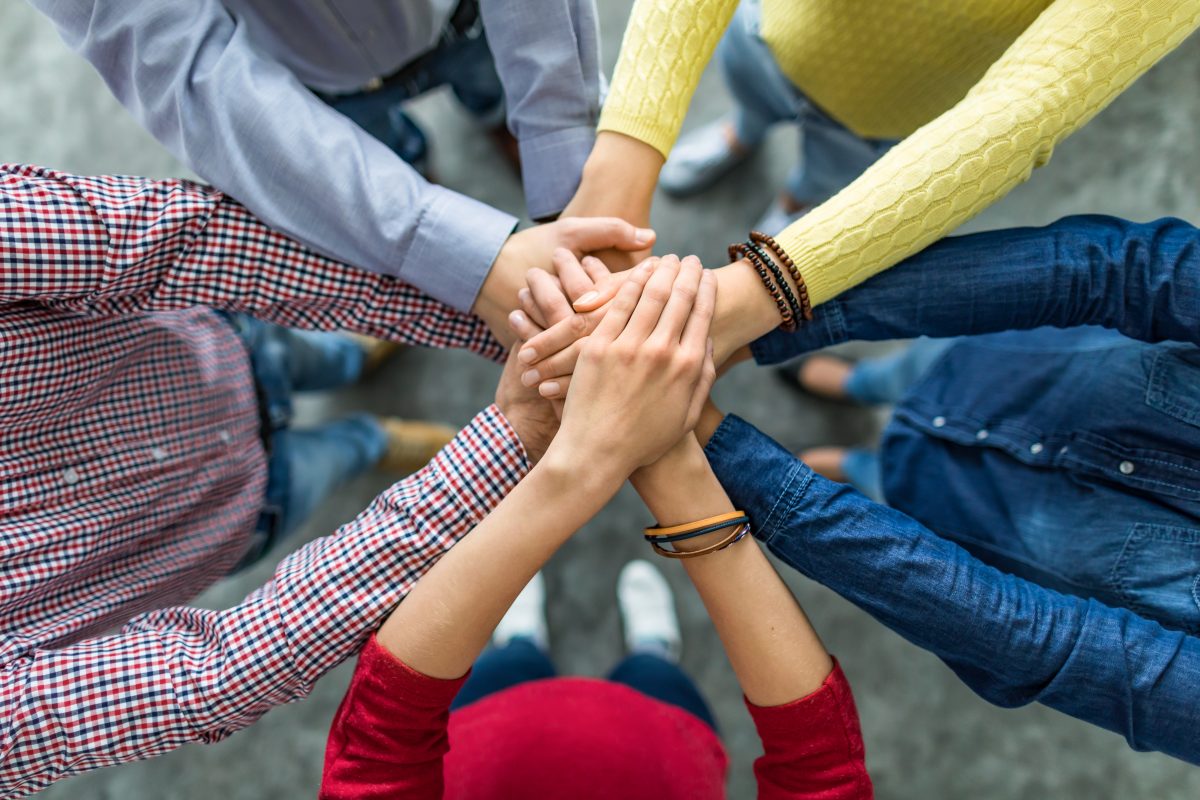
The following activities are designed to prioritize strategy, coordination, and humor over raw athletic ability, ensuring every employee can contribute meaningfully.
Low-Impact & High-Engagement Challenges
These activities focus on fun and accessibility, making them ideal for a diverse workforce.
・Human Zorb Racing: Participants enter large, transparent bubble balls and navigate a course, providing a thrilling spectacle for onlookers.
・Balloon Volleyball: Using a soft balloon makes the game slower and more inclusive, allowing for longer rallies regardless of skill level.
・Jumbo Beach Ball Toss: Teams compete to see how many times they can keep a giant beach ball in the air using only their hands.
・Target Accuracy (Struck Out): A test of precision where participants throw balls at a nine-panel grid to see how many they can knock down.
・Bubble Soccer: A safer, more humorous version of soccer where players wear inflatable bubbles, allowing for safe contact and endless entertainment.
・SAMURAI BATTLE / Chanbara Battle: Japanese-inspired , players use foam swords to knock a small ball off an opponent’s arm. It is a game of strategy and timing, not strength.
⇒Download our SAMURAI BATTLE / Chanbara Battle guide.
・Musical Chairs: A nostalgic classic that tests reaction time and adds a lighthearted, competitive spirit to the day.
・Leapfrog Relay: Teams move toward a finish line by taking turns jumping over the backs of teammates who are crouched down.
・Human Scavenger Hunt: Rather than objects, participants must find people who fit specific criteria, such as someone wearing glasses, which facilitates networking.
・Slow-Cycle Challenge: The goal is to ride a bicycle as slowly as possible without touching the ground. This emphasizes balance over speed.
・Reverse Relay: A race run entirely backward. This serves as a great equalizer, as traditional running speed matters less than coordination.
・Company Trivia Quiz: Incorporating movement by having teams run to different zones to answer questions about the company’s history or culture.
・Costume Relay: Runners pass off costume pieces instead of a baton, allowing teams to showcase their personality and humor.
・The Stage Balance: Teams must fit as many members as possible onto a small, elevated platform, requiring physical coordination and teamwork.
・Dice Luck Challenge: A race where progress is determined by the roll of a die, adding an element of chance that levels the playing field.
・Eco-Cleanup Race: A productive way to end the day, where teams compete to collect the most trash from the spectator areas.
・Balloon Sit-Pop: A relay where members must pop a balloon by sitting on it before the next person can go.
・Tail Tag: Participants wear a “tail” made of string and try to collect as many from the opposing team as possible within a time limit.
・Dodgebee: A variation of dodgeball using a soft foam flying disc, making the game gentler and easier for everyone to join.
・Speed String-Pull: A dexterity challenge where participants must pull long strings out of a box as quickly as possible.
・Human Bridge Walk: Team members form a path with their backs, and one person walks across the “bridge” to reach the finish line.
・Pump & Pop: Using manual air pumps, teams race to see who can inflate and burst a balloon the fastest.
・Sabotage Ball Toss: A traditional ball-toss game where an opponent uses a long pole to block incoming shots, adding a layer of defense and strategy.
・Synchronized Mimicry: Pairs must run while holding a specific pose or “mimicking” an animal or object described on a card.
・Ping-Pong Spoon Race: A classic test of steady hands and balance where participants carry a ball in a spoon or even a frying pan.
・Flag Color Match: Participants must quickly gather balls that match the color of a flag raised by the referee.
・Blind Square: Teams are blindfolded and given a rope; they must communicate clearly to form the rope into a perfect square.
・Hula Hoop Pass: Team members hold hands in a circle and must pass a hula hoop all the way around without breaking the chain.
・Group Stand-Up: Pairs or groups sit back-to-back with arms interlocked and must try to stand up simultaneously.
・Centipede Race: A team coordination exercise where members have their ankles tied together and must walk in perfect rhythm.
・Laundry Relay: A race that involves hanging, folding, or gathering laundry, turning a domestic chore into a competitive skill test.
Family-Centric Activities
If the event includes family members, these activities ensure children feel included and engaged.
・Company Treasure Hunt: Using a map to find hidden items around the venue, perhaps even featuring the company’s own products.
・Super Ball Scooping: A traditional Japanese festival game where children use small nets to scoop rubber balls from a pool.
・Inflatable Playground: Setting up bounce houses or air-filled slides provides a dedicated, safe space for younger children.
・Parent-Child Darts: A points-based game using child-safe dartboards where scores contribute to the parent’s team total.
・Multi-Tiered Ring Toss: Different sized rings and targets allow for varying difficulty levels suited for both adults and children.
・Can Stacking: A simple yet engrossing competition to see who can build the highest tower using empty cans or blocks.
Industry-Specific Skill Challenges
Customizing events to match your company’s core business adds a unique “Information Gain” element and validates professional skills.
・Typing Sprint: For office-based roles, a competition to see who can type with the highest speed and accuracy.
・Delivery Stack: For logistics firms, participants race to deliver a precarious stack of containers without dropping them.
・Precision Wrapping: For retail organizations, a challenge to see who can wrap a gift or product with the most speed and aesthetic appeal.
・Hardware Assembly: For tech or manufacturing firms, teams compete to correctly assemble a piece of equipment, such as a PC, in the shortest time.
3 Pillars for a Successful Execution
To maximize the impact of your corporate field day, focus on these three logistical areas:
- Meaningful Incentives: Motivate your team with practical prizes that have universal appeal, such as travel vouchers or catalog gift cards.
- Transparent Communication: Involve the staff early in the planning process. Frequent updates regarding schedules and rules help build anticipation and reduce anxiety.
- Atmospheric Design: Do not underestimate the power of audio. A curated playlist that spans different generations can keep energy levels high and make the day more memorable.
The ultimate goal of a corporate field day is not to identify the best athlete, but to foster a culture of communication, shared laughter, and collective rejuvenation.
Would you like me to create a sample project timeline or a communication template for announcing this event to your employees?
⇒Download our comprehensive guide.