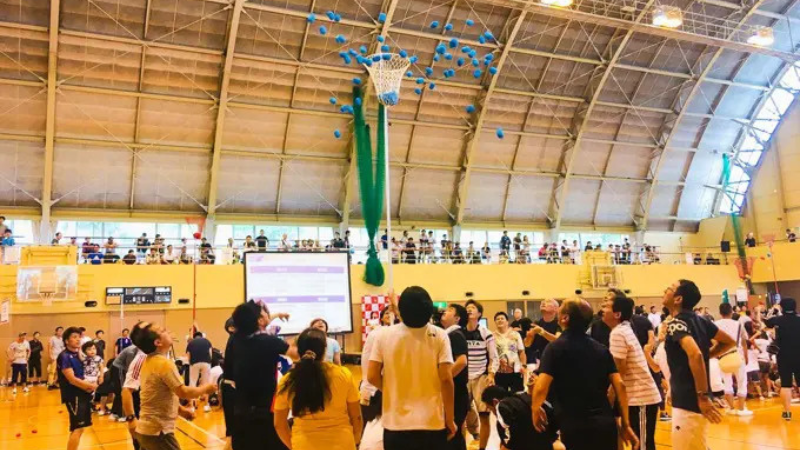
In the modern corporate landscape, finding a team-building activity that balances inclusivity with meaningful psychological impact is a challenge. Many traditional “field day” events rely too heavily on raw athleticism, inadvertently alienating portions of the workforce. However, a growing trend in global HR circles draws inspiration from a tradition of Japanese culture, the Undokai, or corporate sports day.
At the heart of this tradition is Tamaire, a strategic ball-toss game that fosters collaboration, flattens hierarchies, and requires minimal physical prowess. By reimagining this simple concept through 17 unique variations, companies can create an environment where strategic thinking and collective effort take precedence.
⇒Download our comprehensive guide.
Designing an Inclusive Corporate Experience
When selecting activities for a diverse workplace, successful planners prioritize psychological safety and engagement over pure competition. It is essential to consider the age and physical capabilities of all participants to ensure that both junior staff and seasoned executives can contribute equally.
Effective games should also serve as a catalyst for team building, moving beyond simple win-loss metrics to encourage communication and synergy. By introducing elements of surprise or humor, leaders can reduce social friction and foster authentic connections. Finally, logistics must remain seamless; the most effective games are those that are easy to facilitate and execute within a tight schedule.
17 Strategic Variations of the Japanese Ball Toss
The following activities adapt the traditional “Tamaire” into versatile tools for corporate training and engagement.
Foundational and Icebreaking Activities
・The Standard Ball Toss: This is the most accessible entry point. Teams work together to toss as many beanbags as possible into a high basket within a set time. It is a suitable warm-up that emphasizes collective goal-setting.
・Interference Toss (The “Obstacle” Challenge): This variation introduces a defensive element where one team uses padded poles to block the other’s shots. It acts as an effective icebreaker, using humor to dissolve tension and requiring teams to adapt their tactics under pressure.
・Low-Profile Toss: By placing baskets directly on the ground, the game shifts from a test of height to a test of precision and control. This version is particularly effective for multi-generational teams where high-impact movement may not be suitable.
・Proximity Toss: Shortening the distance to the target increases the tempo and scoring frequency. It serves as a refreshing “energy break” between longer sessions.
Strategic and Cognitive Challenges
・Double Basket Strategy: Teams must choose between two baskets with different point values. This necessitates a “strategy meeting” mid-game to decide on resource allocation and role distribution.
・Deduction Toss (The Psychological Game): In this high-stakes version, teams must avoid “penalty balls” (such as black beanbags) that subtract points. It requires intense focus and communication to ensure no one accidentally sabotages the team’s score.
・Color-Coded Coordination: Participants must match specific colored balls to corresponding baskets. This adds a layer of cognitive processing and quick decision-making to the physical task.
・The “Castle Fall” Defense: Teams attempt to topple a “tower” of targets while simultaneously defending their own. This introduces a “tower defense” mechanic that is highly engaging for competitive teams.
Dynamic and Collaborative Movement
・Relay Ball Toss: Combining a traditional footrace with the ball toss, participants must carry balls one by one to the target before tagging the next teammate. This increases the pace and fosters a high-energy atmosphere.
・Chasing the Moving Target: Instead of a stationary basket, staff members move the targets around the field. This adds a dynamic, unpredictable element that generates significant laughter and audience engagement.
・The “Furoshiki“ Carry: Using a traditional Japanese cloth, or “Furoshiki”, pairs must transport balls together and deposit them without using their hands. This is a pure exercise in non-verbal communication and physical synchronization.
・Speed Toss: A concentrated three-minute burst where the only goal is maximum output. It is an excellent tool for re-energizing a group after a long seated presentation.
・Active Relay: A variation of the relay that emphasizes cheering and team support as much as the physical task. It is designed to maximize the “vibrancy” and excitement of the event.
Variety and Finale Spectacles
・The Blind Back-Throw: Participants must throw balls over their shoulders without looking at the target. This high-variance game relies on luck and creates a lighthearted, playful atmosphere.
・The Rhythm Toss: A “stop-and-go” game where teams can only throw when the music is playing and must dance when it stops. It tests agility and creates a festive, party-like environment.
・Hydro-Toss (Summer Special): Using water balloons instead of beanbags adds a refreshing and high-stakes twist for outdoor events. The fragility of the “balls” requires a gentle touch and careful coordination.
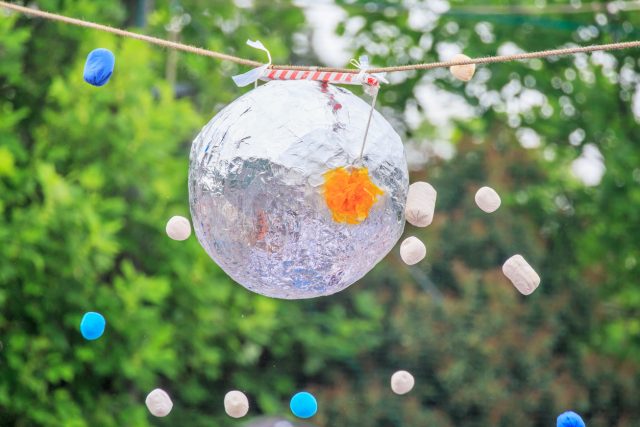
・The “Kusudama” Grand Finale: Teams work together to hit a large decorative sphere, or “Kusudama”, until it bursts open to reveal a message or confetti. This provides a visually stunning and emotionally resonant conclusion to the day.
Expert Facilitation Partners
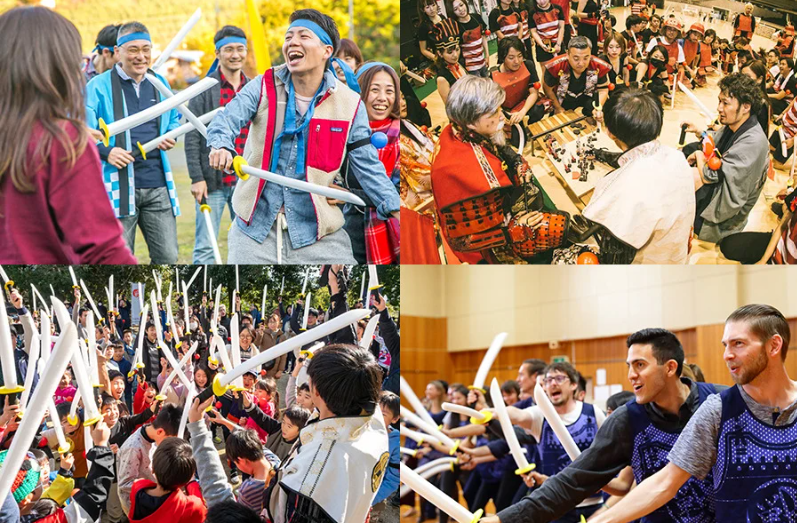
Executing a culturally authentic and logistically sound Japanese Field Day requires specialized expertise. The following providers are leaders in the industry:
- IKUSA: Known for high-concept “Samurai-themed” events and unique activities like SAMURAI BATTLE / Chanbara Battle (safe foam sword fighting). They provide end-to-end production, including professional MCs and narrative-driven games.
- Undokaiya: Professionals dedicated to the art of the sports day, they focus on using these events to transform corporate culture and foster deep human connections through tailored programs.
- Sports One: Utilizing their experience in large-scale sporting events, they offer flexible, high-capacity team-building solutions designed to move both the bodies and minds of tens of thousands of participants.
Conclusion
The traditional ball toss is far more than a simple game; it is a versatile framework for corporate development. Whether the goal is breaking the ice with Interference Toss, building strategy with Double Baskets, or celebrating a shared vision with the Kusudama Finale, these activities elevate a standard gathering into a meaningful cultural experience.
Would you like me to draft a sample schedule for a half-day event incorporating these “Tamaire” variations?
⇒Download our comprehensive guide.