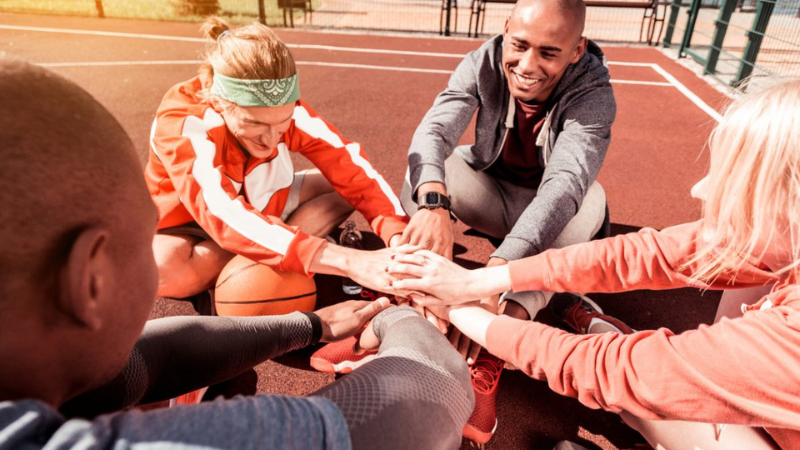
Why Sports are the Catalyst for High-Performance Teams
In the modern corporate world, HR managers and team leaders are constantly searching for ways to move beyond stale icebreakers and foster genuine collaboration. Engaging in sports is a highly effective method for improving teamwork and building a resilient organizational culture. By stepping out of the office and onto the field, employees can develop the specific skills needed to achieve collective success.
⇒Download our comprehensive guide.
The Blueprint for a “Winning” Culture: Lessons from the Pitch
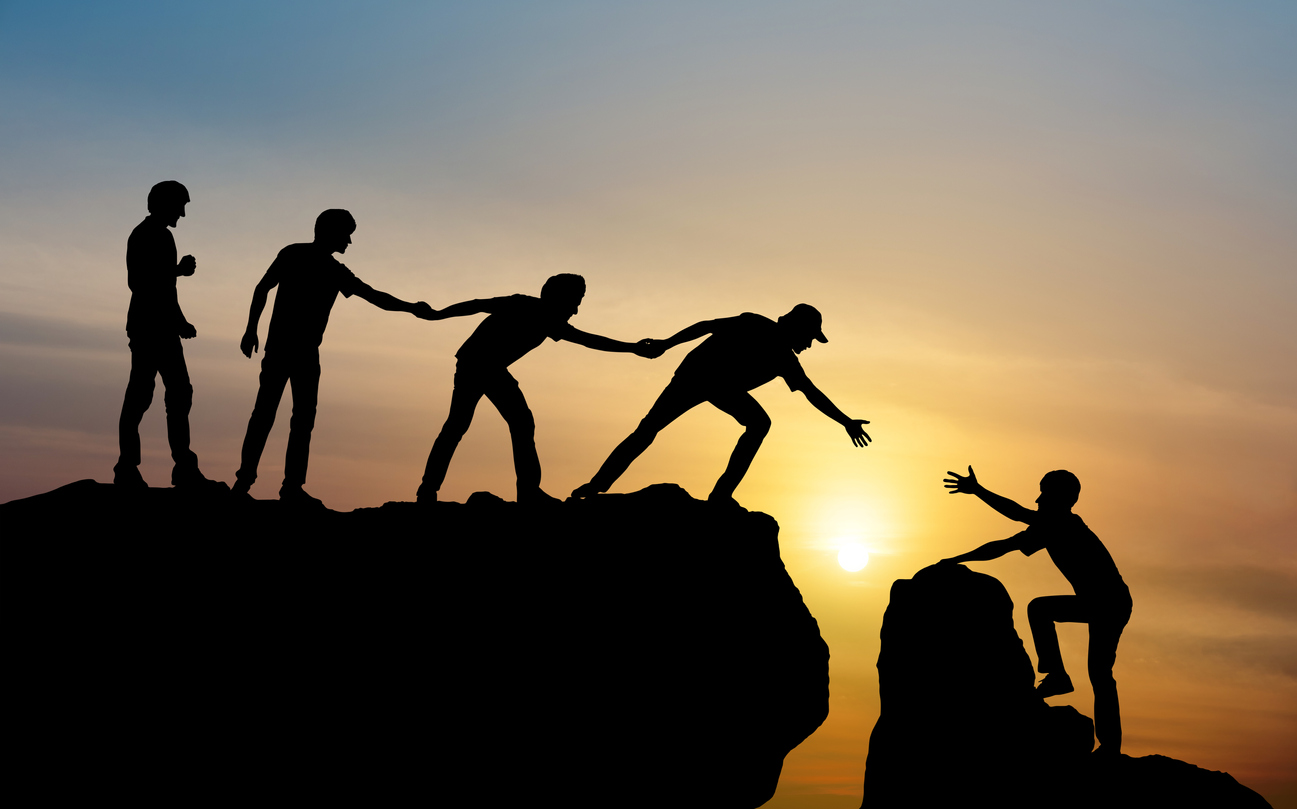
Building a strong team requires more than just gathering talented individuals. To understand the mechanics of elite teamwork, we can look at high-performing organizations like the Japan National Rugby Team, which achieved a historic top-eight finish in the 2019 World Cup by mastering eight core principles.
1. Define Clear, Measurable Goals; Success starts with setting specific objectives rather than vague ambitions. For instance, while “getting stronger” is subjective, the Japan Rugby team set a concrete goal of reaching the “Top 8,” ensuring every member was aligned and working toward the same target.
2. Establish Role Clarity; Each member must understand and commit to their specific responsibilities. In rugby, a “finisher” focuses on speed and scoring, while forward-position players use their physique for defensive power. High performance is achieved when individuals maximize their unique roles without overstepping into others’ domains.
3. Maintain Consistent Information Loops; In Japanese business culture, the concept of Ho-Ren-So, reporting, liaison, and consultation, is foundational. Just as rugby players constantly exchange tactical observations during a match to adjust their strategy, corporate teams must prioritize proactive communication to ensure everyone can move forward effectively.
4. Cultivate Active Ownership; A team’s strength is dictated by the engagement of its members. If even one person remains passive, the overall performance drops. True teamwork requires every individual to maintain a high level of motivation and effort until the very end of a project or match.
5. Leverage Strengths and Support Weaknesses; A strong team understands the diverse skill sets within the group. When members recognize a teammate’s specific strength, such as a player’s agility in rugby, they can provide the necessary support to leverage that talent for the team’s benefit.
6. Build Trust Through Informal Connection; While formal reporting is necessary, “small talk” and informal interactions are the “lubricants” of a healthy team. Creating an atmosphere where people feel comfortable speaking freely fosters the deep trust required for high-level execution.
7. Identify “Liaison” Roles; In any complex project, gaps can appear between different departments or roles. Effective teams often have “lubricant” members who act as bridges. An example is the role of a water carrier in rugby who doesn’t just provide water but also relays critical tactical instructions from coaches to players on the field.
8. Prioritize Constructive Honesty over Comfort; A team that is merely “nice” often avoids the difficult conversations needed for growth. To become a truly strong organization, members must be able to offer critical feedback and address areas for improvement without fear of damaging social relationships.
10 Sports to Elevate Your Team Building
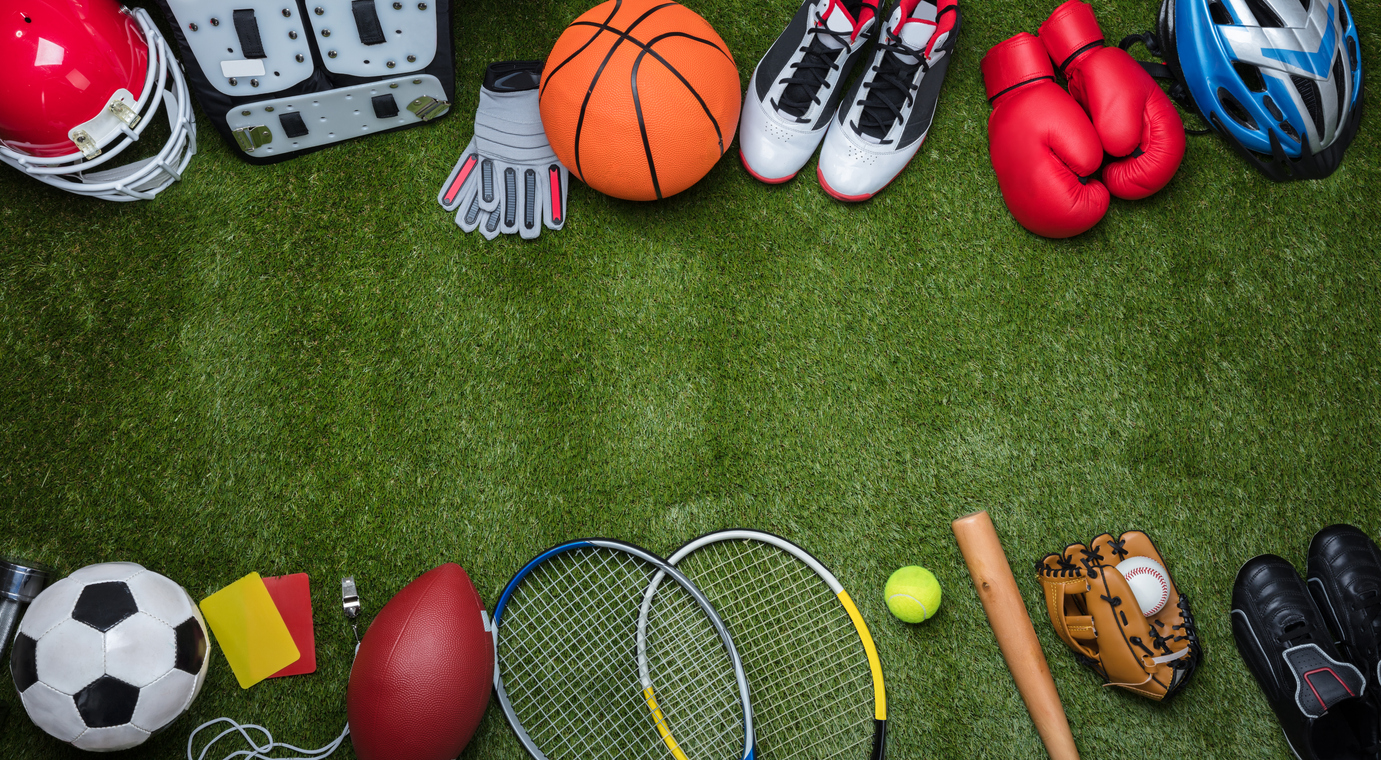
These activities range from traditional sports to unique inclusive experiences, each offering specific ROI for your team’s development.
1. Corporate Field Day, Undokai
The Undokai, or traditional Japanese sports day, is an excellent way to foster unity across a large organization. By competing in various team-based events, employees can align toward a shared goal of “victory” while identifying roles that suit their individual strengths.
⇒Download our NEW Undokai guide.
⇒Download our Samurai Undokai: Japan’s Team Sports Festival guide.
2. Baseball
Baseball is a masterclass in role-based strategy. From the lead-off hitter’s goal of getting on base to the cleanup hitter’s responsibility to drive runners home, every player must understand their specific contribution to the team’s success. It encourages tactical communication and situational awareness.
3. Blind Soccer
This inclusive sport involves players wearing eye masks and using a ball that makes noise. It relies heavily on “callers” who provide verbal directions from the sidelines. This activity is unparalleled for developing verbal precision, deep listening skills, and mutual consideration among teammates.
4. Relay Marathon
In a relay marathon, a team works together to cover a 42.195km distance by passing a sash, or “tasuki”. Teams must strategize on running order and distances, fostering a sense of shared burden and empathy for their colleagues’ efforts.
5. Dragon Boat Racing
Dragon boating requires 10 to 20 paddlers to move in perfect synchronicity to the beat of a drummer. Because the boat only moves efficiently when everyone is in harmony, it is a powerful metaphor for organizational alignment and the importance of supporting one another’s rhythm.
6. Curling
Often called “Chess on Ice,” curling requires intense strategic thinking and constant communication. Members must work together to execute complex plays, with specific roles like the “skip” leading the strategy and the “leads” executing the throw, making it an ideal exercise for collaborative decision-making.
7. Volleyball
Volleyball is centered on the concept of “the assist.” Since the ball cannot be held, players must constantly communicate to set up the next person for success. This reliance on one another to keep the play alive builds significant trust and real-time problem-solving skills.
8. Bubble Soccer
For teams looking for a low-pressure, high-fun activity, bubble soccer is ideal. Participants wear large, air-filled plastic bubbles, which levels the playing field for those who may not be traditionally athletic. The playful, humorous nature of the sport quickly breaks down social barriers and facilitates easy communication.
9. Badminton
Badminton is highly accessible and requires minimal training to enjoy. By organizing a doubles tournament, you can encourage pairs to collaborate closely, learning the importance of spatial awareness and mutual support in a fast-paced environment.
10. Double Dutch
This jump rope game requires two turners and one or more jumpers to stay in perfect sync. The roles are clearly defined, but the success of the group depends entirely on collective timing. It is an excellent activity for building a sense of “oneness” and shared achievement.
Would you like me to create a detailed proposal for one of these activities, including a sample schedule and a checklist of required equipment?
⇒Download our comprehensive guide.