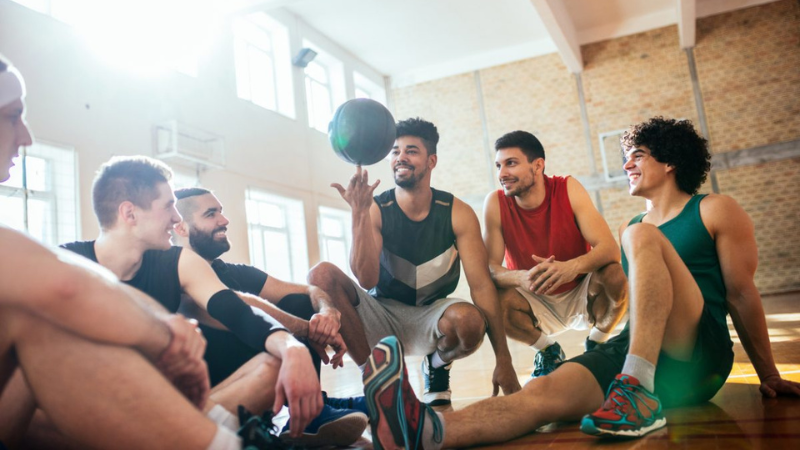
Modern HR leaders are moving beyond standard happy hours and toward immersive experiences that foster genuine connection. In Japan, the Undokai, or corporate sports day, has long been a cornerstone of organizational culture. By hosting these events in a gymnasium, companies can mitigate environmental risks while providing a high-energy platform for professional synergy.
⇒Download our comprehensive guide.
Strategic Advantages of Indoor Facilities
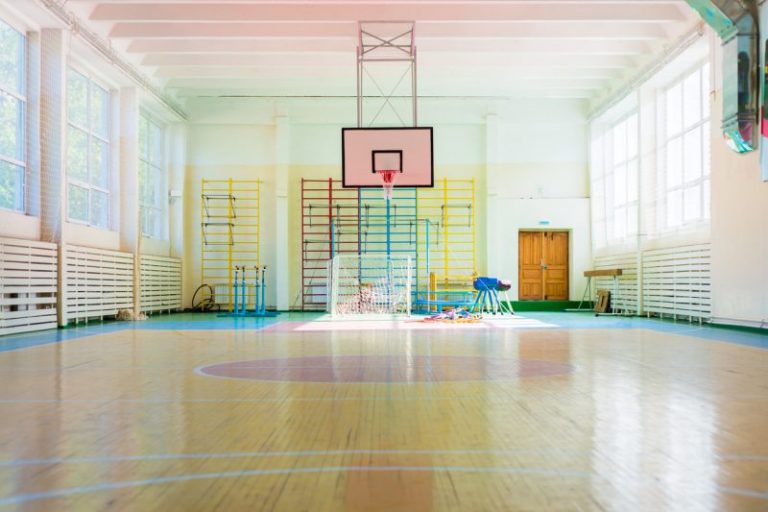
Choosing an indoor facility for your corporate event is a calculated move that ensures a seamless experience by eliminating common logistical hurdles.
1. Reliable Scheduling and Risk Mitigation
Outdoor events are often at the mercy of the weather, leading to costly cancellations or postponements. A gymnasium provides a roof and a controlled environment, allowing organizers and participants to schedule with confidence. Furthermore, modern facilities equipped with professional lighting enable evening sessions, making it easier to maximize attendance without disrupting a standard workday.
2. Enhanced Safety and Inclusive Design
Unlike uneven outdoor terrain, gymnasium floors are flat and predictable, which significantly reduces the risk of minor injuries. While organizers must account for floor traction—often managed by scheduled mopping to remove moisture—the indoor setting is inherently more stable.
3. Climate Control for Peak Performance
Outdoor heat can be a deterrent for diverse teams with varying physical comfort levels. Indoor venues allow for air conditioning and ventilation, ensuring that both high-performance athletes and more desk-oriented employees can participate comfortably. This inclusivity is vital for maintaining psychological safety and high morale across the entire workforce.
10 High-Impact Activities for Team Synergy
The following activities are designed not just for physical movement, but for developing core business competencies such as leadership, strategic planning, and cross-functional communication.
1. Networking Scavenger Hunt
Participants draw cards and must locate specific items—or specific people—within the venue to reach the finish line. By including prompts like “Find a person from the Accounting Department,” this activity serves as a powerful icebreaker that facilitates collaboration across organizational silos.
・Recommended Group Size: 8 to 48+ participants.
2. Collaborative Ball Toss
This activity, known as Tama-ire, involves teams working together to toss small beanbags into a high basket. It is an inclusive sport where everyone can contribute simultaneously, fostering a sense of collective achievement. For a more dynamic challenge, a “chase” variant involves a designated runner carrying the basket on their back.
・Recommended Group Size: 20+ participants.
3. Multi-Legged Race,”Ninin-san-kyaku”
A scaled-up version of the classic three-legged race , this requires 10 participants to move as a single unit. Success depends entirely on communication and establishing a shared rhythm. Teams must engage in a “strategy meeting” to determine the best placement for runners of different speeds, mirroring project management workflows.
・Recommended Group Size: 10+ participants.
4. Strategic Tug-of-War
A classic test of unity, this event levels the playing field when teams are balanced by age and gender. Indoors, participants can exert full force without the distraction of dust or mud, allowing for a cleaner and more focused competition.
・Recommended Group Size: 16 to 60 participants.
5. Creative Costume Relay
Teams compete in a relay race while donning themed costumes, passing items of clothing instead of a standard baton. This encourages team brainstorming and creative expression, with extra points often awarded for the most innovative designs.
・Recommended Group Size: 10+ participants.
6. The Grand Finale: Kusudama Breaking
Teams aim at a large decorative ball, or “Kusudama”, until it bursts open. This visually stunning event often serves as the event’s climax, especially when the ball contains company-branded merchandise or surprise rewards for the participants.
・Recommended Group Size: 30+ participants.
7. Giant Ball Rolling
Participants navigate a massive ball through an obstacle course. Because the indoor floor is level, the ball is easier to control, making this an exceptionally inclusive activity for employees of all ages and physical abilities.
・Recommended Group Size: 8 to 100 participants.
8. Strategic Jump Rope,”Goemon”
Inspired by the legendary Japanese figure Ishikawa Goemon, this variant of long-rope jumping requires participants to pick up “gold coins” from the floor while jumping. This added layer of complexity transforms a simple physical exercise into a test of multitasking and timing.
・Recommended Group Size: 20+ participants.
9. Spirit and Morale Showcase
Teams engage in a choreographed “Cheering Battle” to boost morale. Whether through traditional styles or modern dance and music, this allows teams to express their unique identity and build internal pride.
・Recommended Group Size: Approximately 20 participants per team.
This “Safe Paintball” alternative uses sponge swords and velcro “life” balls attached to the arms. It is the ultimate team-building exercise, requiring sophisticated military-style strategy and real-time communication to protect teammates while eliminating opponents.
・Recommended Group Size: 30+ participants.
⇒Download our SAMURAI BATTLE / Chanbara Battle guide.
Operational Excellence: Key Considerations
To ensure a seamless execution, HR managers must prioritize several logistical factors:
- Venue Capacity: Ensure the space can accommodate both the active participants and a dedicated spectator area.
- Equipment Logistics: Develop a clear plan for transporting and setting up specialized gear, particularly if the venue is a distance from your corporate headquarters.
- Duty of Care: Beyond warm-up exercises, implement safety protocols such as regular floor maintenance to prevent slipping and ensure first-aid kits are readily available.
Premium Venue Spotlight: IKUSA Arena, Tokyo
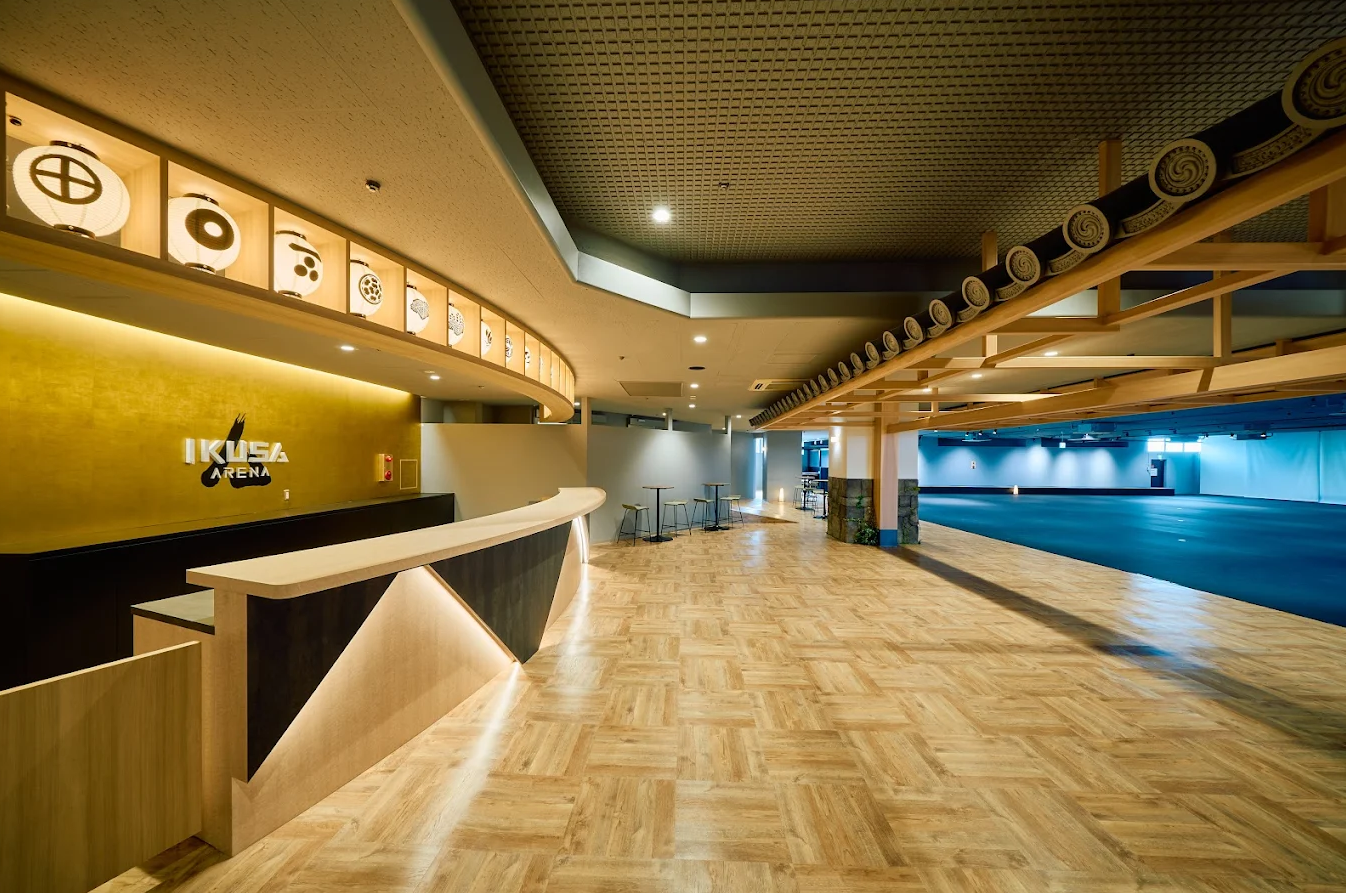
For organizations planning an event in the Tokyo metropolitan area, IKUSA Arena offers a turnkey solution. Located in Nerima Ward with excellent transit links to Shinjuku and Ikebukuro, this 1,000-square-meter facility is designed for large-scale corporate engagement.
Managed by IKUSA Co., Ltd., which oversees over 1,600 events annually, the venue provides more than just space—it offers full-service production, from conceptualizing unique “Warring States” themed games to day-of operational management.
Would you like me to create a sample itinerary for a one-day corporate sports day based on these activities?
⇒Download our comprehensive guide